What are the best brake discs and why? Steel vs Carbon Ceramic vs Carbon Carbon
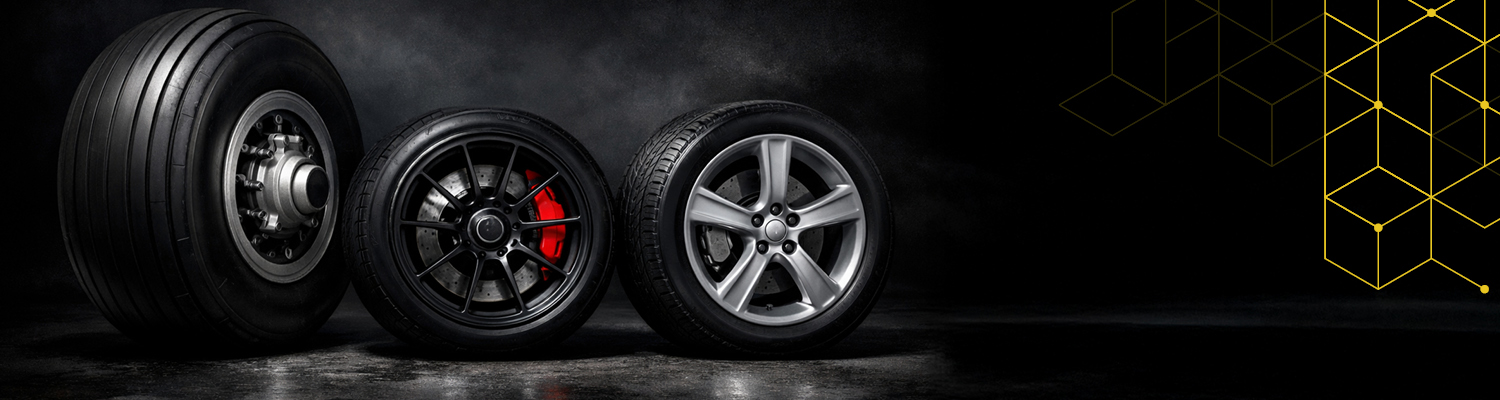
When asking “what are the best brake discs”, the answer depends entirely on the application. For example, a road car, a GT race car and an aircraft all demand very different braking characteristics (imagine a car with the braking capabilities of a passenger jet…). Factors such as operating temperature, weight, durability and cost all influence which material performs best in each environment.
Normally, brake discs are made from cast iron or steel, carbon ceramic, or carbon carbon. Each of these materials offer a distinct balance of performance, longevity and suitability, which this guide explores to help answer the question clearly and practically.
What makes a brake disc “the best”?
The best brake disc is the one that matches its intended use. Key considerations include braking performance and consistency, resistance to heat and fade, weight and rotational mass, service life, operating temperature range and overall cost relative to performance.
A disc that excels on the road may be ineffective on track, while a motorsport solution may be impractical for everyday use.
Overview of brake disc types
The three main brake disc categories are standard road discs made from cast iron or steel, high performance carbon ceramic discs, and ultra-high temperature carbon carbon discs used in extreme environments.
Let’s delve into each of them in a little more detail, and decide what are the best brake discs for your application.
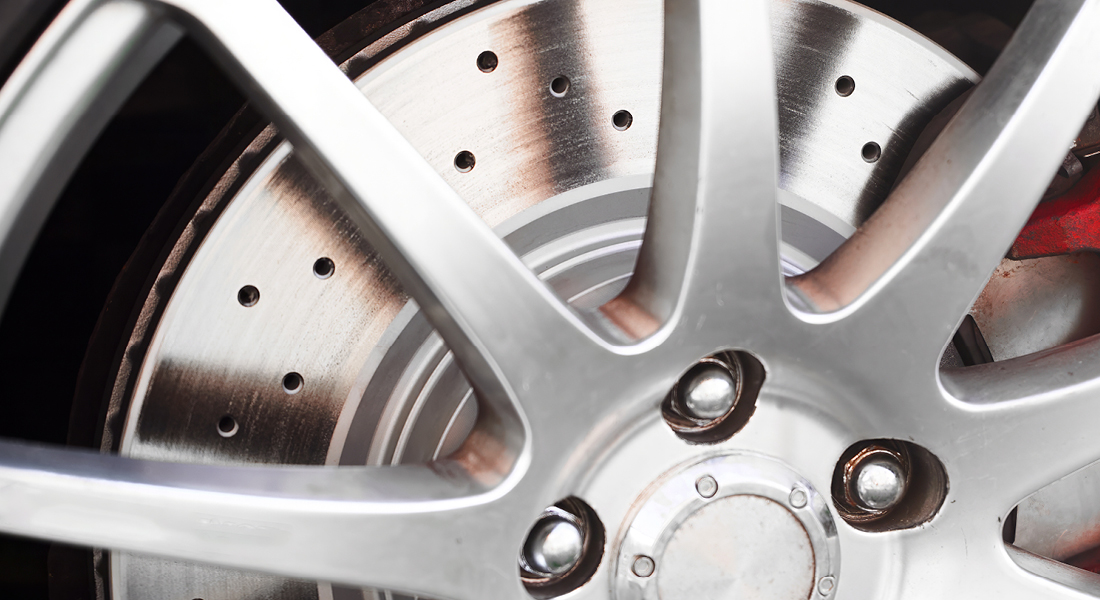
Standard road brake discs (cast iron/steel)
Cast iron and steel brake discs are produced through casting or machining processes that prioritise strength, reliability and affordability. They are widely used on passenger vehicles, light commercial vehicles and many performance road cars.
Their main advantages are predictable cold braking, durability in everyday conditions and low replacement cost. Limitations include higher weight and reduced performance at sustained high temperatures. For normal road driving and general use, these are often the best brake discs available.
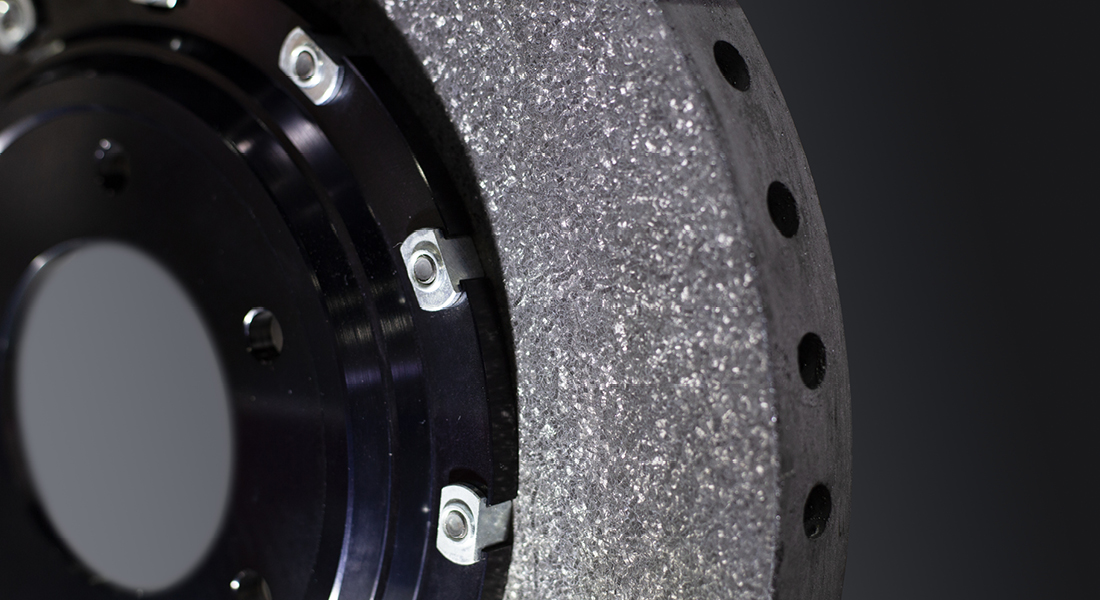
Carbon ceramic brake discs
Carbon ceramic brake discs are made from a carbon fibre reinforced ceramic matrix. Compared to steel discs, they offer significantly lower weight, excellent heat resistance and very long service life.
They perform best at higher temperatures and resist brake fade effectively, making them popular on supercars and high performance road vehicles. Drawbacks include high cost and reduced effectiveness when cold. Carbon ceramic discs are the best choice where weight reduction and repeated high speed braking are priorities.
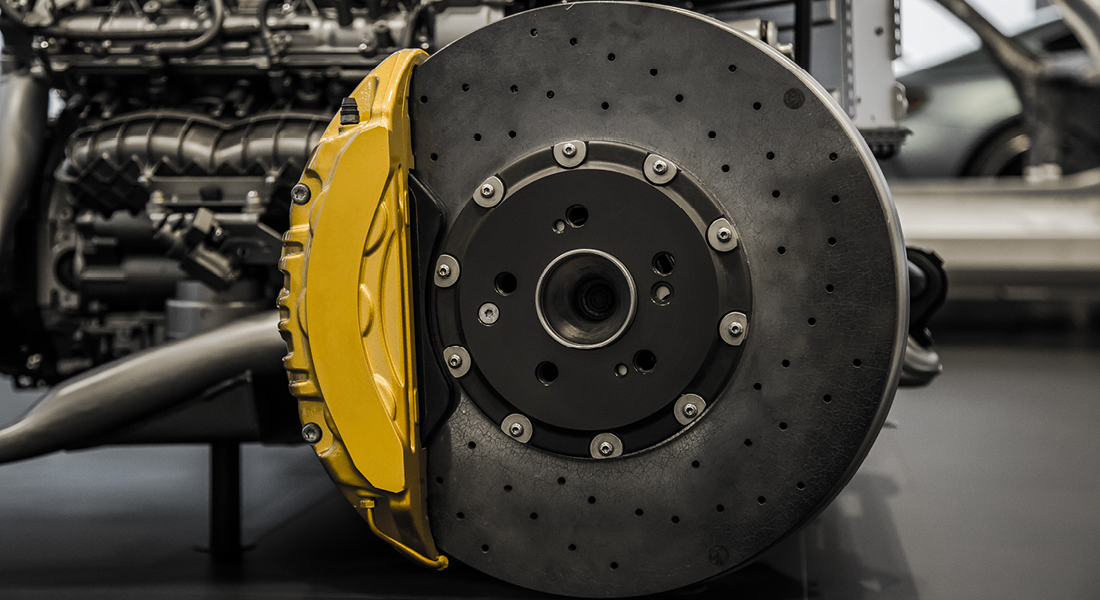
Carbon carbon brake discs
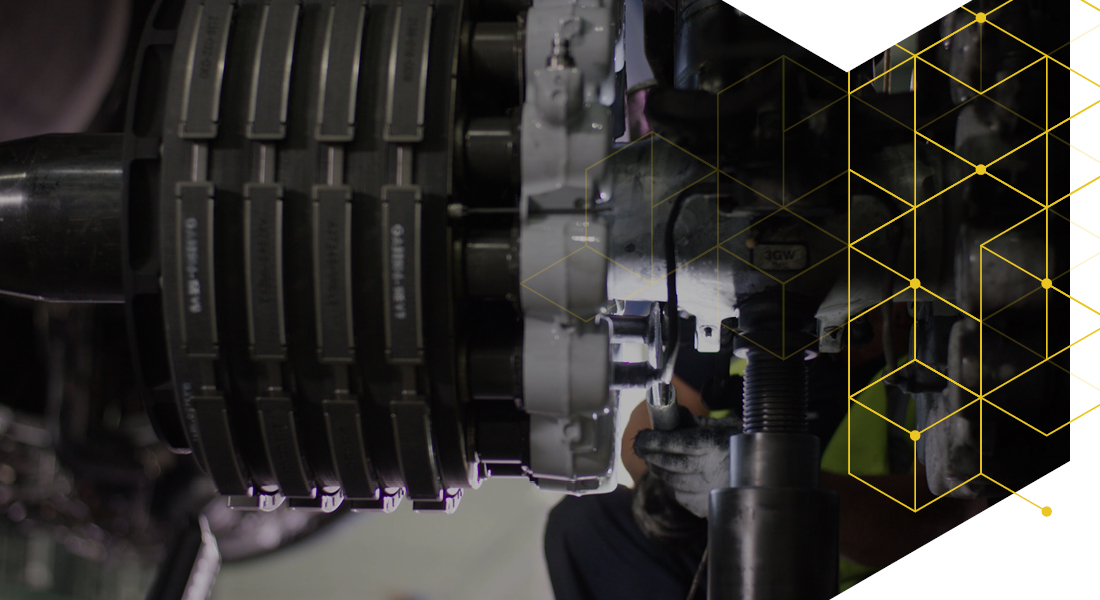
Carbon carbon brake discs are manufactured entirely from carbon fibre and carbon matrix materials. Unlike carbon ceramic, there is no ceramic phase, allowing them to withstand extreme temperatures without structural degradation.
They offer outstanding thermal performance and minimal fade at very high operating temperatures. However, they require heat to function effectively and wear more quickly at low temperatures.
Typical applications include motorsport and aviation, where performance at extreme speeds and loads is critical. For these environments, carbon carbon discs are the best brake discs available.
You can learn more on our carbon carbon brake disc manufacturing service page to see their use across motorsport and aviation sectors.
Direct comparison for brake disc materials
| Material | Heat tolerance | Weight | Cold performance | Cost | Typical use |
| Cast iron/steel | Moderate | High | Excellent | Low | Road vehicles |
| Carbon ceramic | High | Low | Moderate | High | Performance road |
| Carbon carbon | Extreme | Very low | Poor | Very high | Motorsport, aviation |
So, what are the best brake discs?
For road cars, steel or cast iron discs remain the best solution due to reliability and value. In motorsport, the best brake discs vary by discipline, with carbon ceramic common in endurance racing and carbon carbon essential in top tier single seater and extreme applications. In aviation, carbon carbon is the clear choice due to weight and thermal demands.
At Wyken Engineering, we specialise in advanced brake materials for aerospace, motorsport and defence sectors, with extensive experience in the manufacture of carbon carbon brake discs. Our understanding of different operating environments ensures every solution is optimised for its application.
If you require more information on what are the best brake discs for your project, and about how we our precision engineering solutions can help your business, please get in touch with us.
Frequently Asked Questions (FAQs)
- What are the best brake discs for road cars?
For most drivers, cast iron or steel brake discs offer the best balance of performance, durability and cost.
- Are carbon ceramic brakes better than steel?
They are better for high performance driving and weight reduction, but not always ideal for everyday use.
- Why are carbon carbon brakes used in motorsport?
They deliver consistent braking at extreme temperatures where other materials would fail.
To see more stories like this, and to keep up with the latest news from Wyken Engineering, please follow us on LinkedIn.