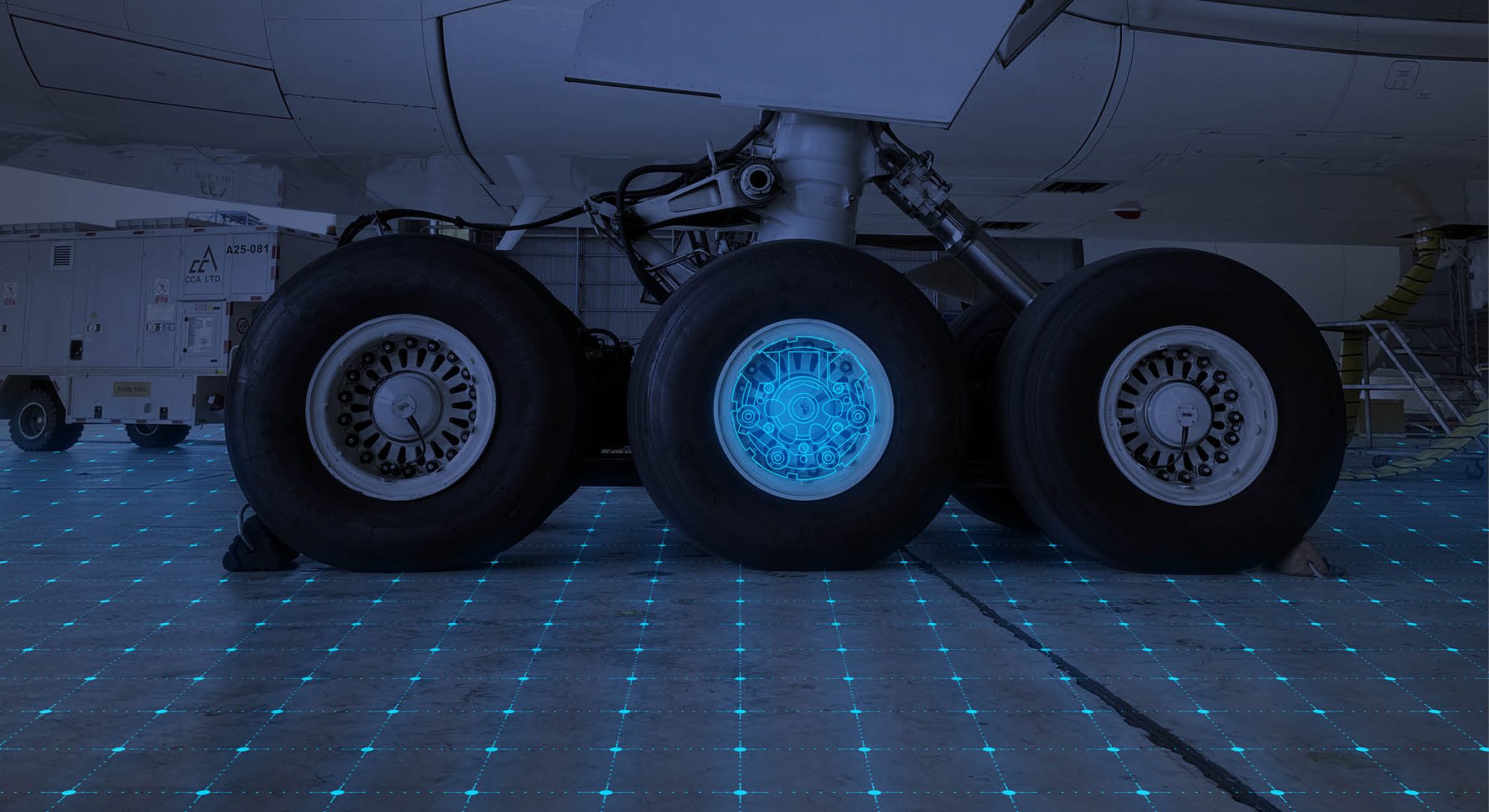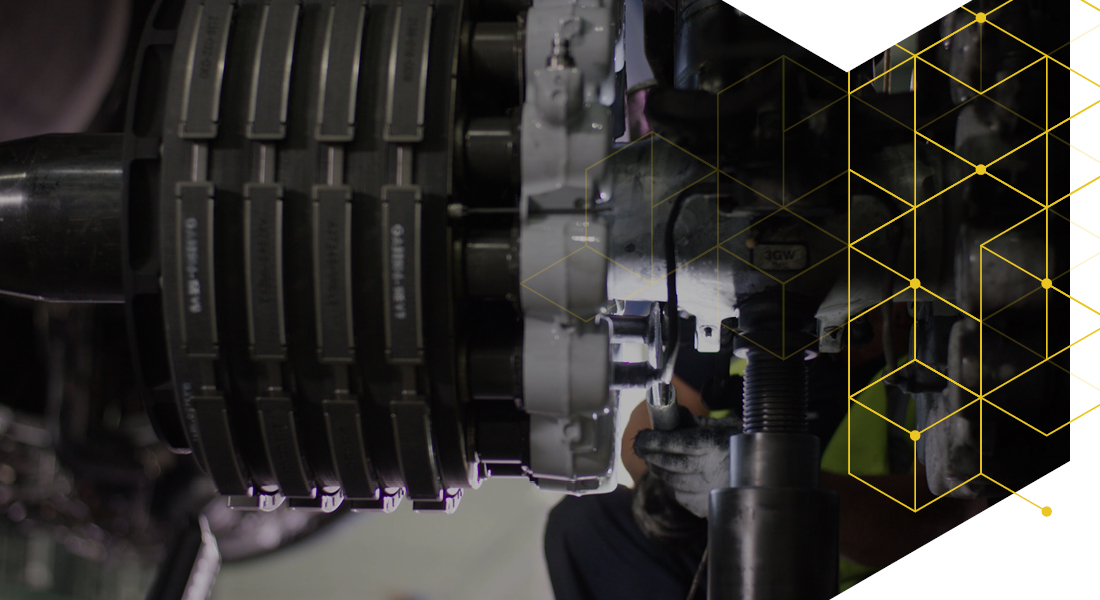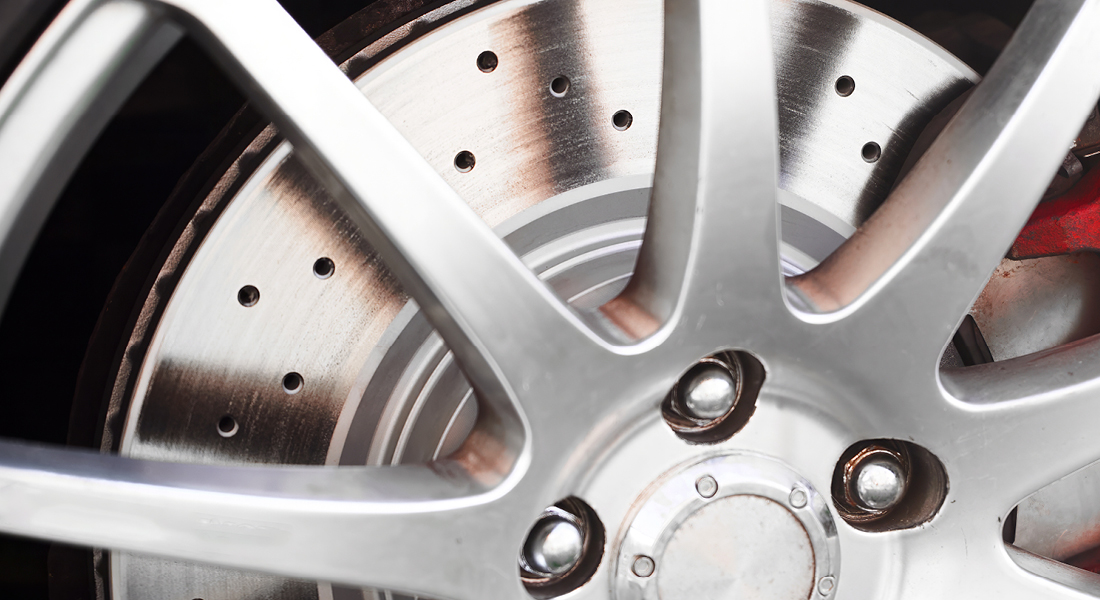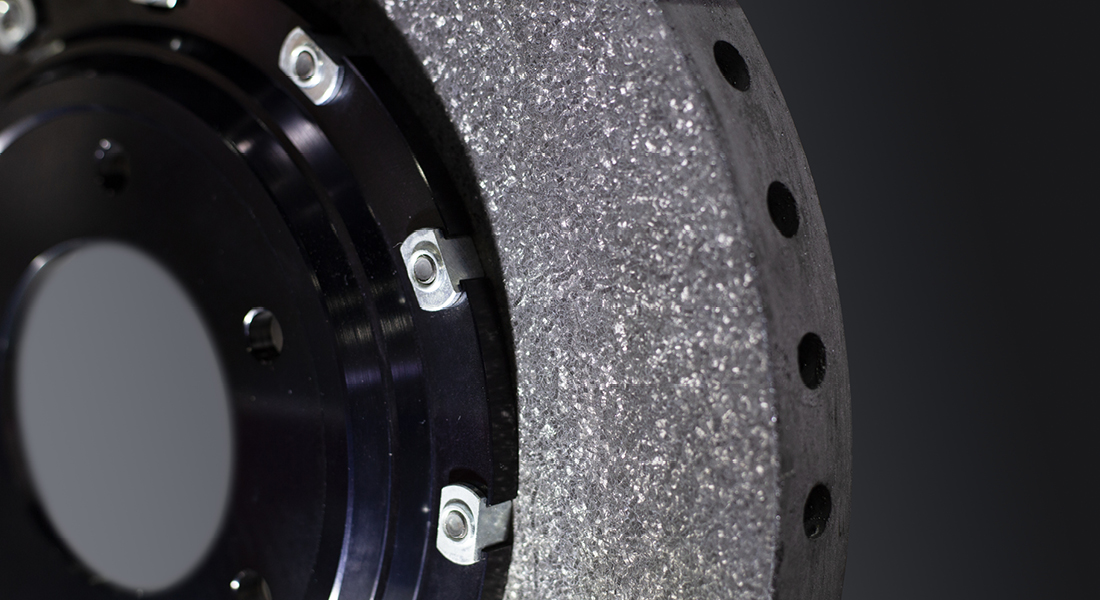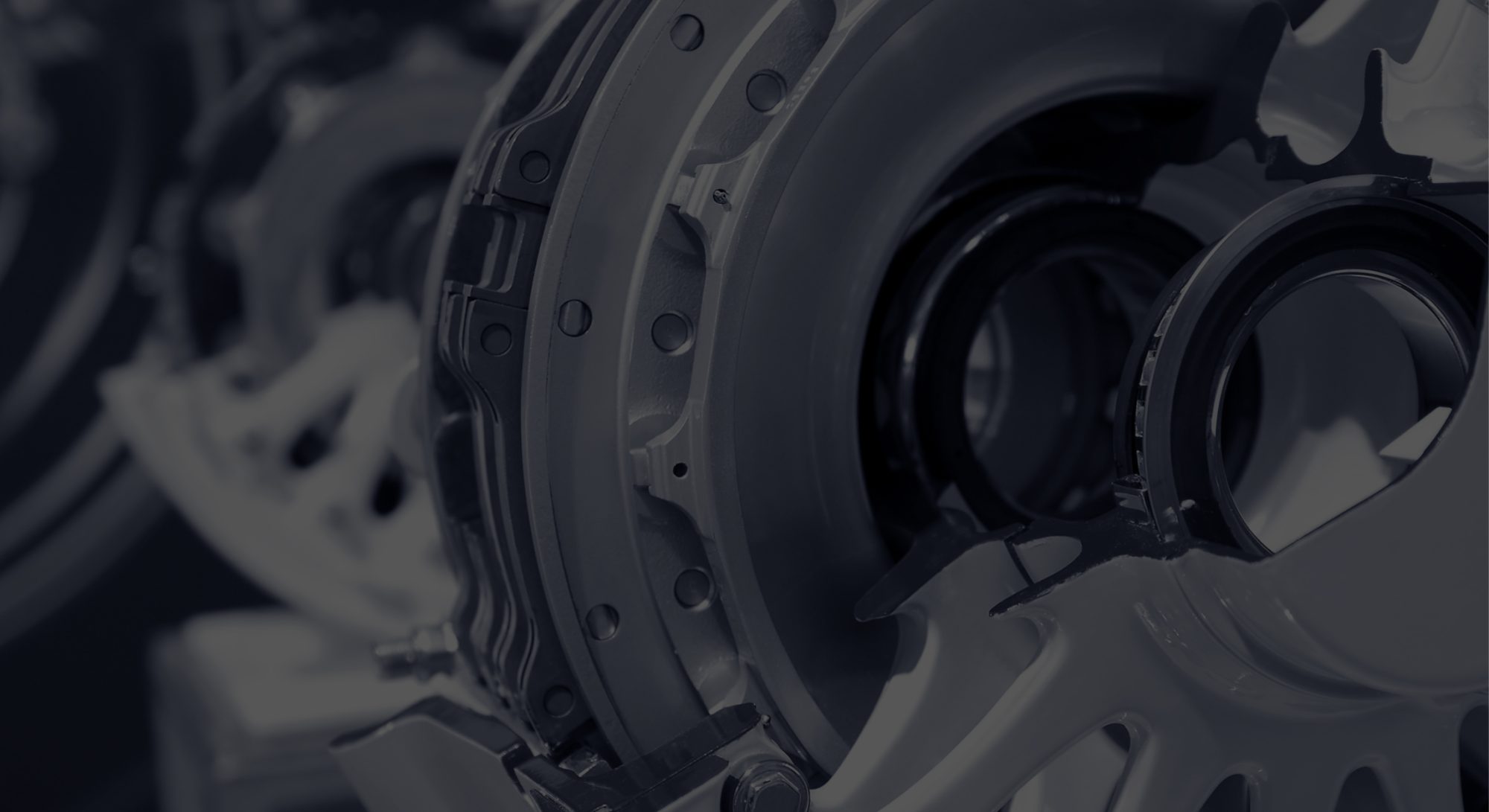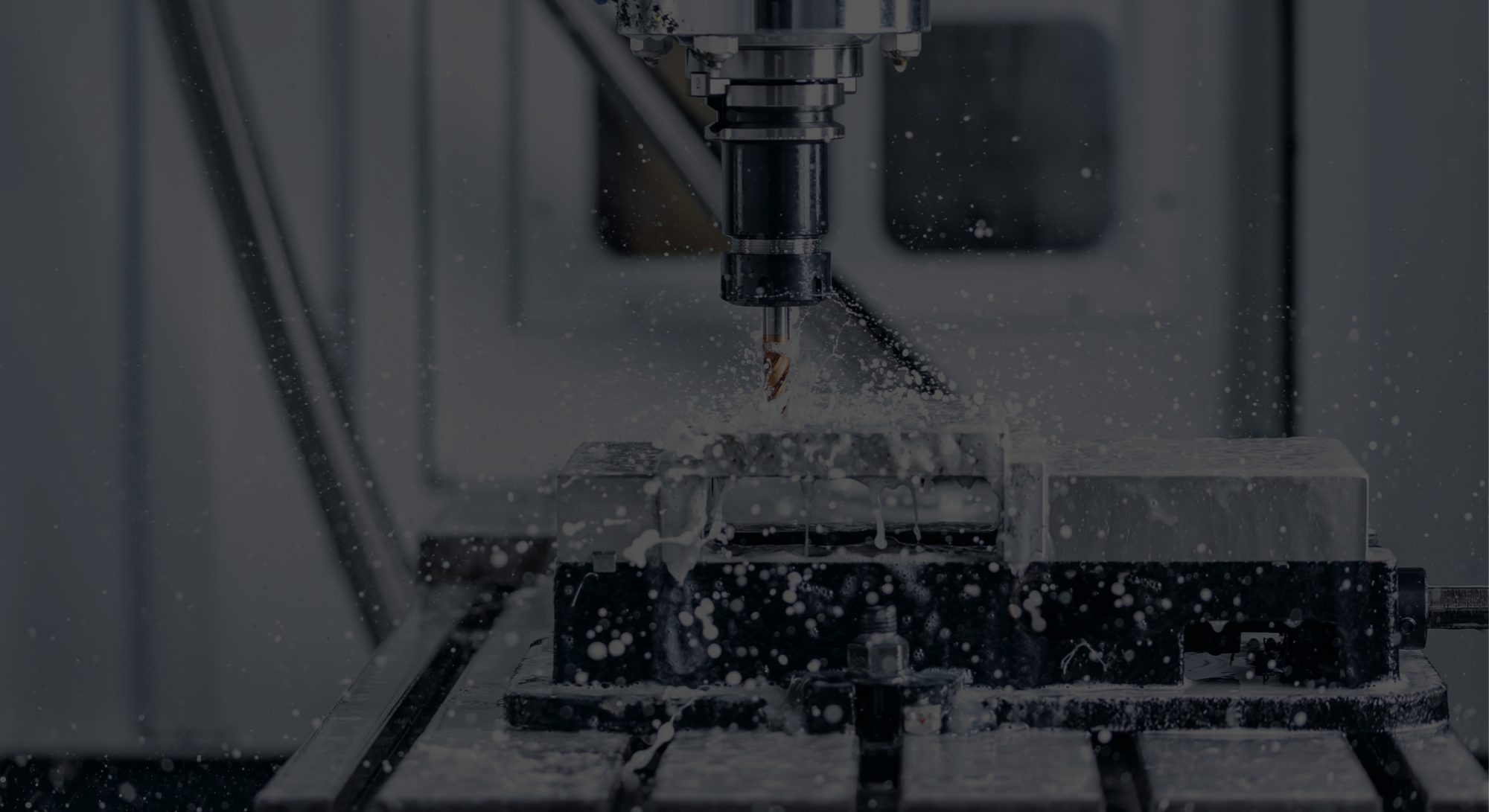

How ultrasonic drilling prevents delamination in carbon brake discs - Top banner 1

How ultrasonic drilling prevents delamination in carbon brake discs

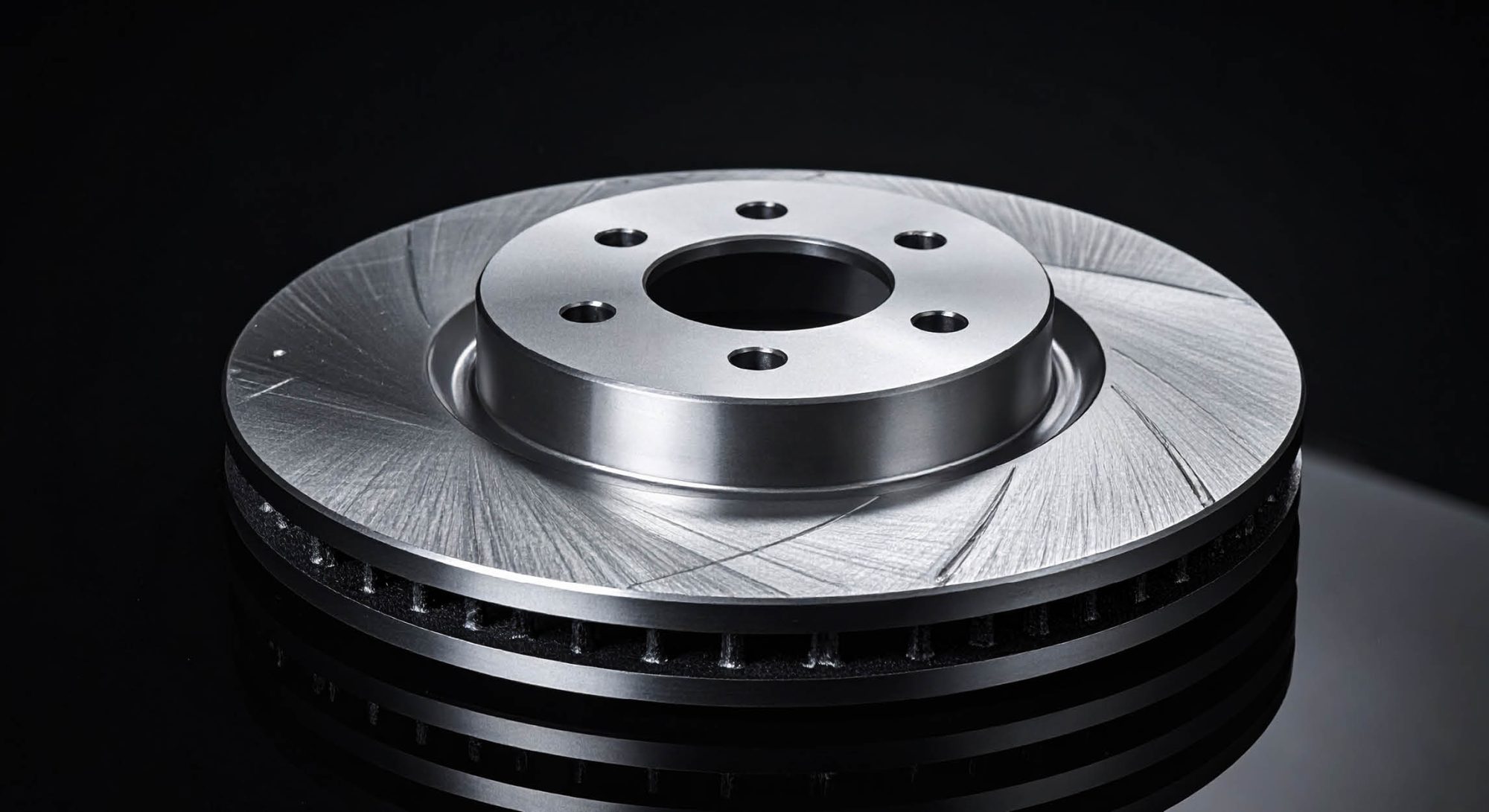
Nowadays, carbon brake discs are being used in aerospace and defence applications due to their exceptional thermal stability, high strength-to-weight ratio, and consistent braking performance under extreme conditions. However, machining these advanced materials presents significant challenges.

Conventional drilling methods can compromise the integrity of carbon fibre brake discs, leading to delamination, fibre pull-out, and subsurface damage that impact service life and safety margins.

Wyken Engineering’s ultrasonic drilling process addresses these challenges, ensuring reliable, high-performance carbon fibre disc brakes.

Why we use ultrasonic drilling

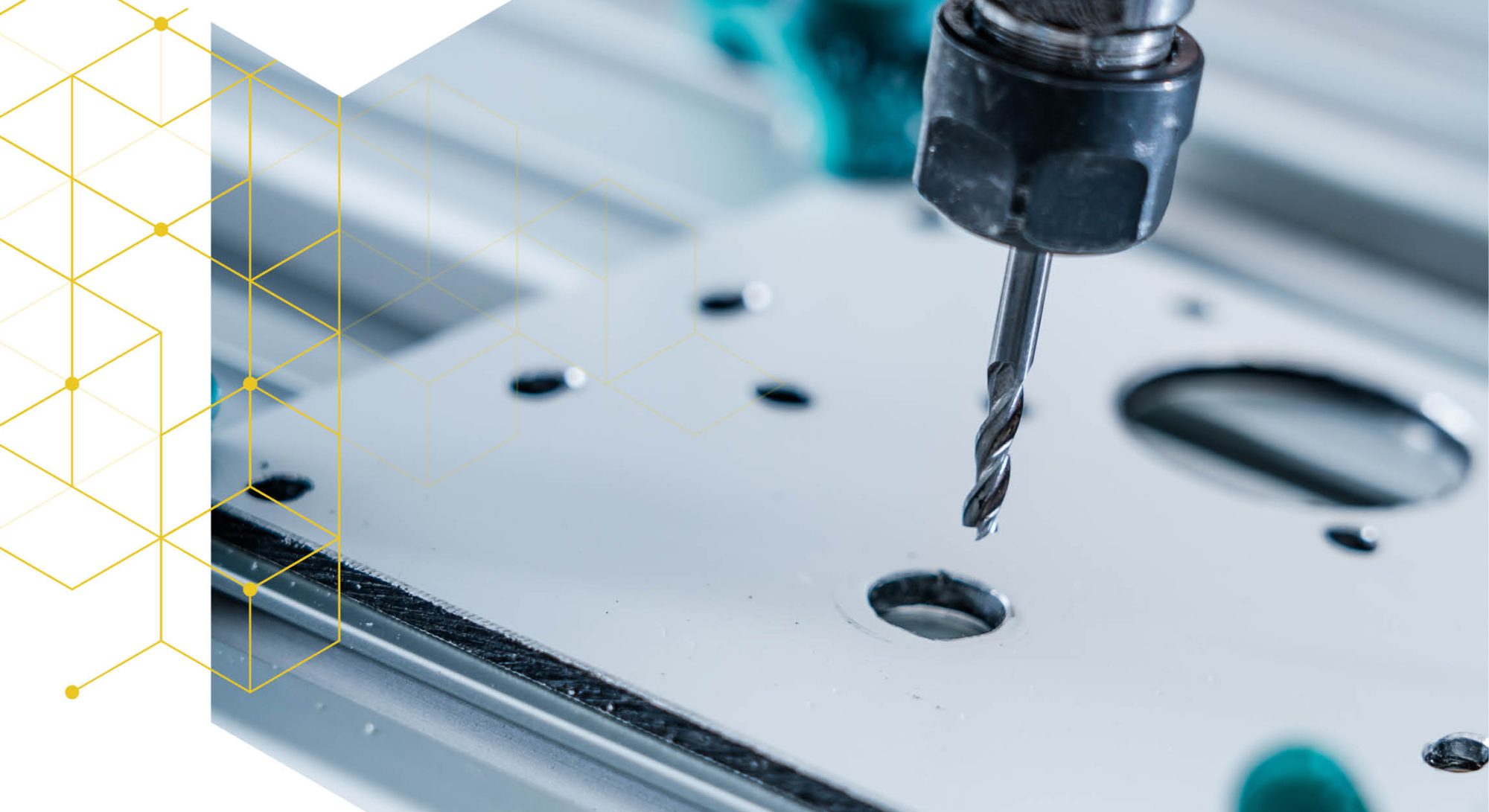
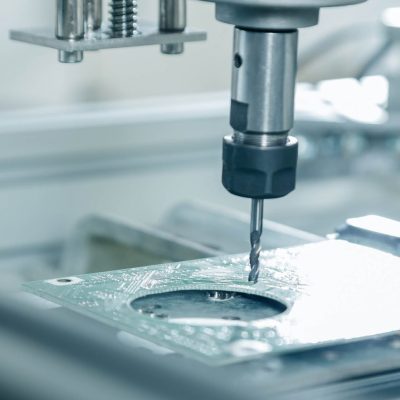
Ultrasonic drilling is central to our ability to achieve superior machining performance, accuracy and tool life when producing carbon brake discs.

By significantly reducing cutting forces, the process increases machining efficiency while minimising stress on both the material and the tooling. This allows us to consistently manufacture complex drilling patterns that would be difficult or impossible using conventional methods.

Smaller hole diameters, increased drilling depths and a higher density of holes can all be achieved without compromising fibre integrity in carbon fibre brake discs or carbon disc brakes.

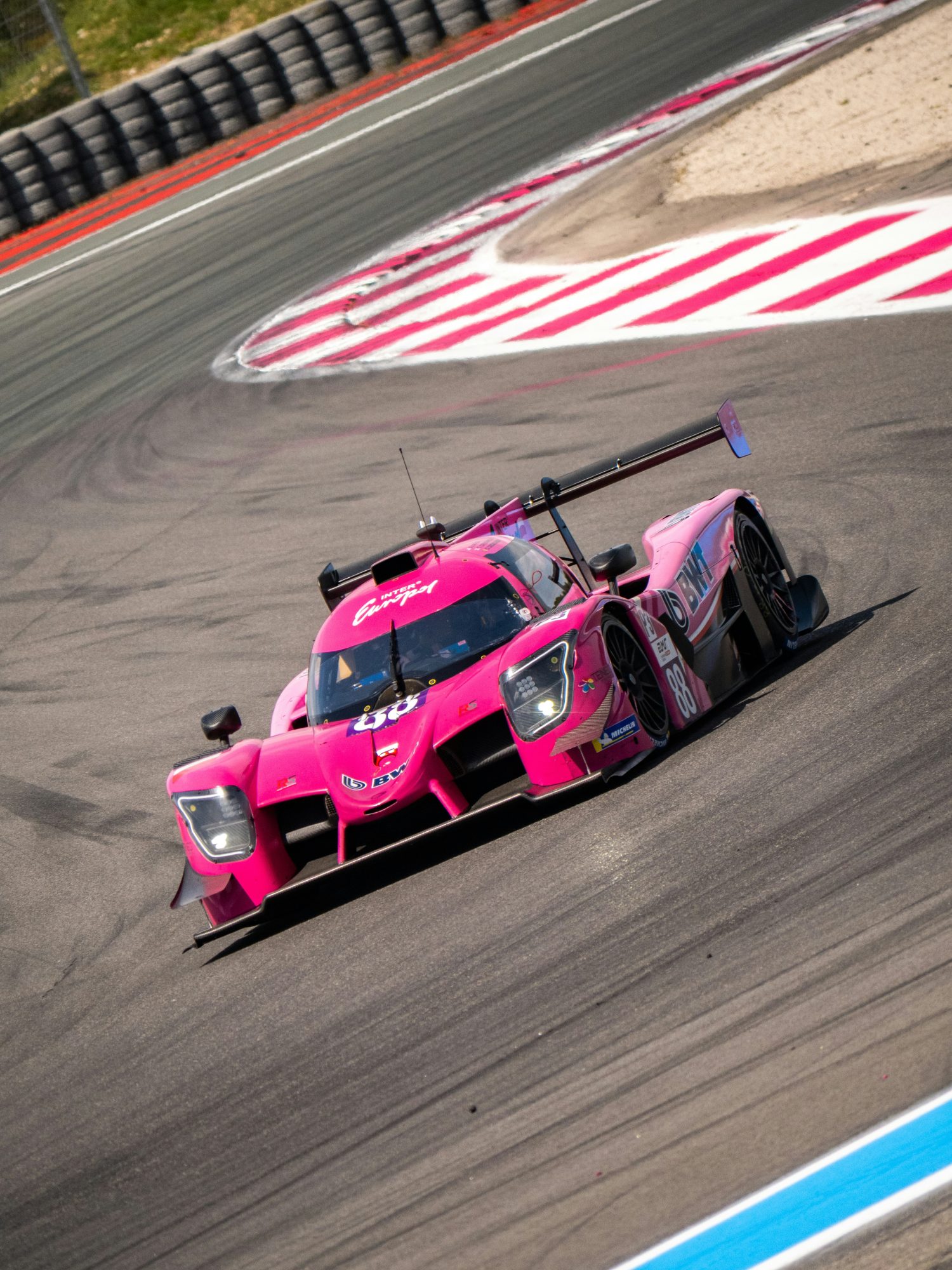
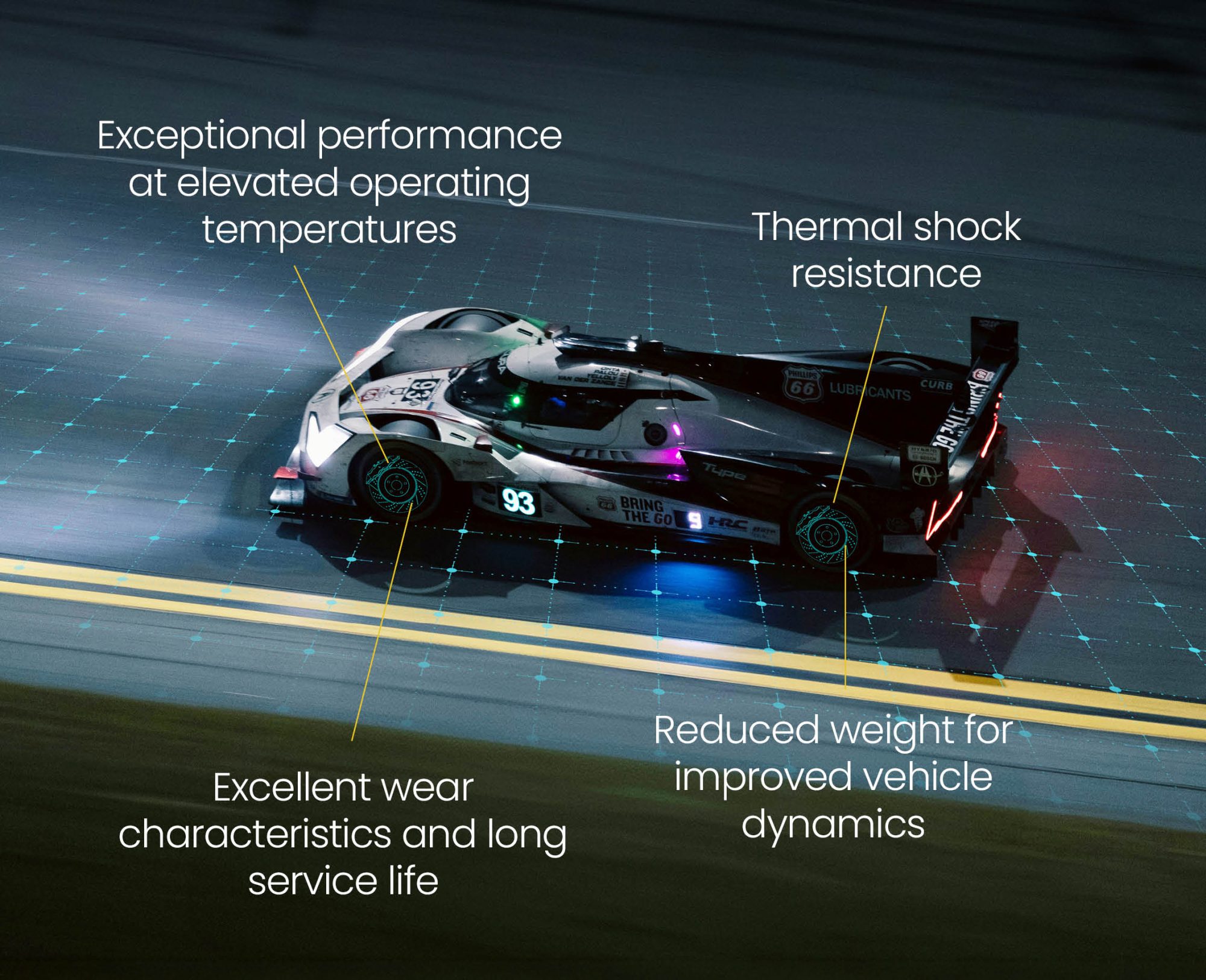
For motorsport applications, this capability enables advanced cooling geometries, improved heat dissipation and repeatable precision in high performance braking systems.

How ultrasonic drilling prevents delamination in carbon brake discs - WYKEN WEB Ultrasonic Drilling 03264
How ultrasonic drilling prevents delamination in carbon brake discs - WYKEN WEB Ultrasonic Drilling 03265

Why carbon composites are prone to delamination

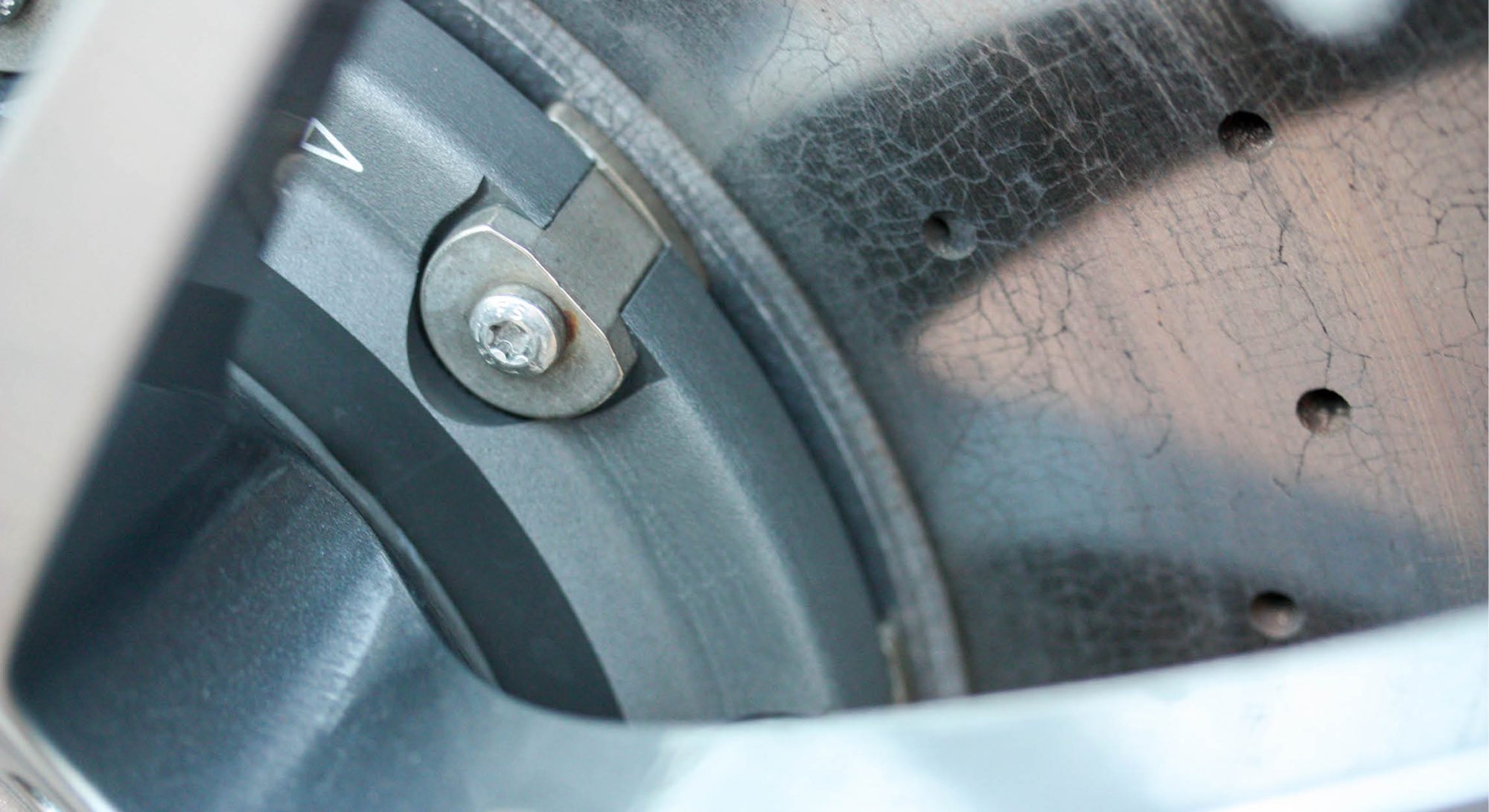
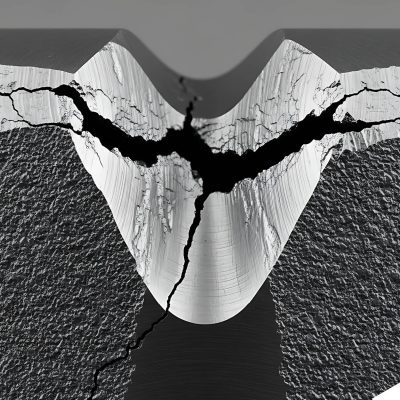
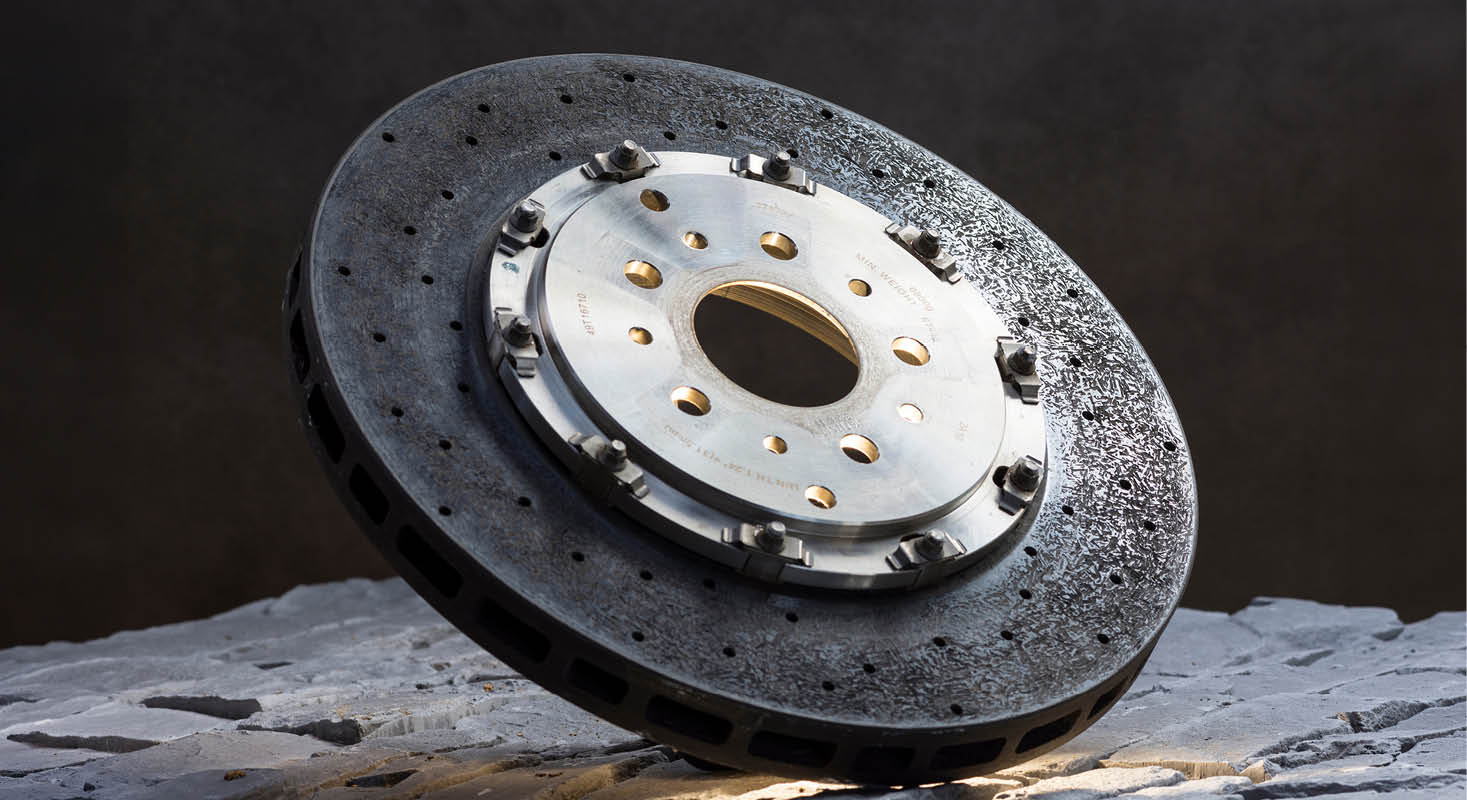
Carbon brake discs and aircraft carbon brakes are composed of tightly woven carbon fibre layers bound with resin matrices. When conventional rotary drills are used, the high cutting forces and friction can separate these layers, generating micro-cracks and delamination around the hole.

This damage is often invisible to the naked eye but can drastically reduce fatigue resistance and compromise structural integrity under repeated thermal and mechanical loading. Even slight fibre misalignment or resin cracking can propagate over time, impacting braking reliability.

Principles of ultrasonic drilling

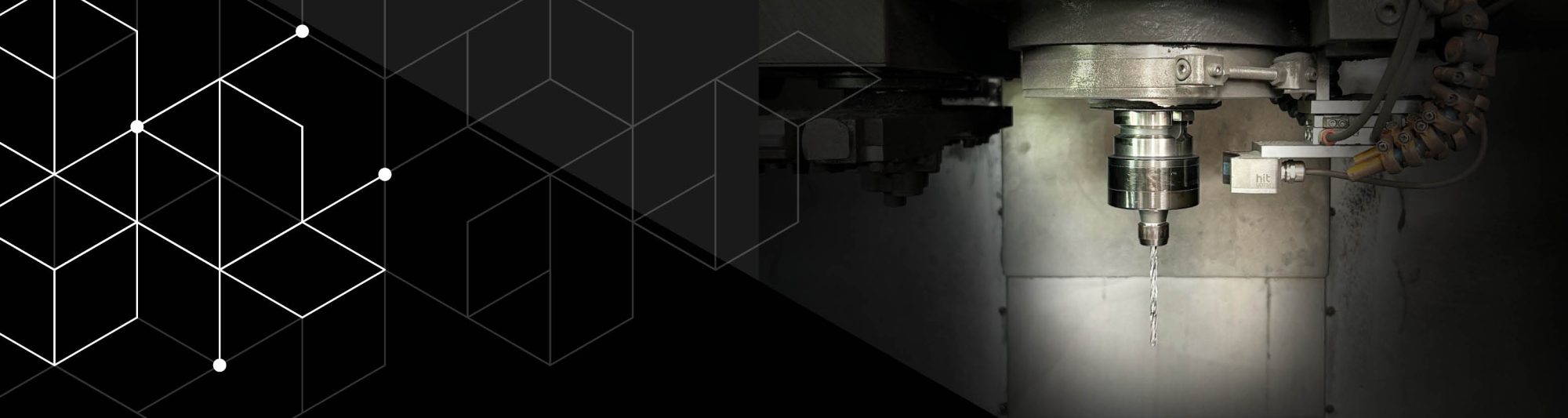
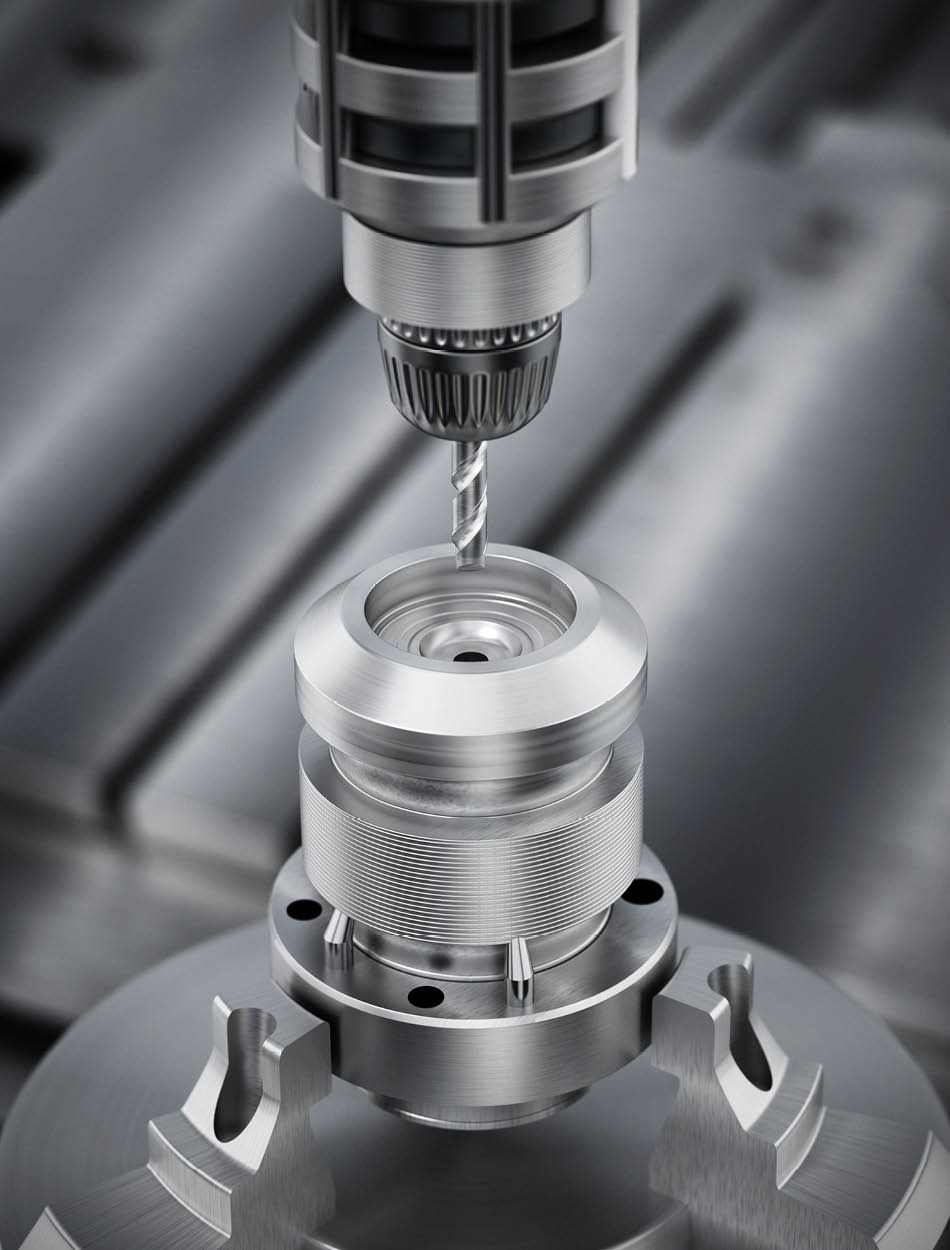
Ultrasonic drilling uses high-frequency vibrations (typically 20-40 kHz) superimposed on a slow feed of the drill. This “hammering” effect reduces cutting forces by orders of magnitude compared to conventional drilling, allowing the drill to advance through carbon fibre disc brakes with minimal lateral stress.

The vibrations are carefully tuned to interact with the fibre architecture, slicing through fibres cleanly while preserving resin bonds.

Key benefits include:

  • Reduced delamination and fibre pull-out
  • Minimal subsurface damage
  • Improved hole roundness and dimensional consistency
  • Controlled heat generation, reducing thermal degradation of the composite

Conventional vs ultrasonic drilled holes

Wyken Engineering’s evaluations of carbon fibre brake discs reveal dramatic differences in surface integrity:

  • Conventional drilling: Edges show fibre fraying, resin smearing and micro-cracks. Fatigue resistance can be reduced by up to 30%, increasing inspection frequency and risk of premature failure.
  • Ultrasonic drilling: Holes maintain fibre continuity, with clean edges and smooth surfaces. Subsurface inspection shows negligible matrix damage, enhancing fatigue life and structural reliability.

These improvements translate directly into increased safety margins and confidence in performance-critical applications.

How ultrasonic drilling prevents delamination in carbon brake discs - General 1
How ultrasonic drilling prevents delamination in carbon brake discs - WYKEN WEB Ultrasonic Drilling 032612

Process controls at Wyken’s dedicated carbon facility

Machining carbon brake discs demands a tightly controlled environment to prevent contamination, material degradation and hidden structural defects. Wyken Engineering operates a purpose-built carbon processing facility that is fully isolated from metallic machining operations, ensuring carbon fibre brake discs are produced without risk of cross-contamination.

On top of this, Wyken’s dedicated facility features:

  • Advanced HEPA filtration and local extraction controlling carbon dust at source
  • Temperature and humidity-controlled environment to prevent moisture absorption and maintain dimensional stability
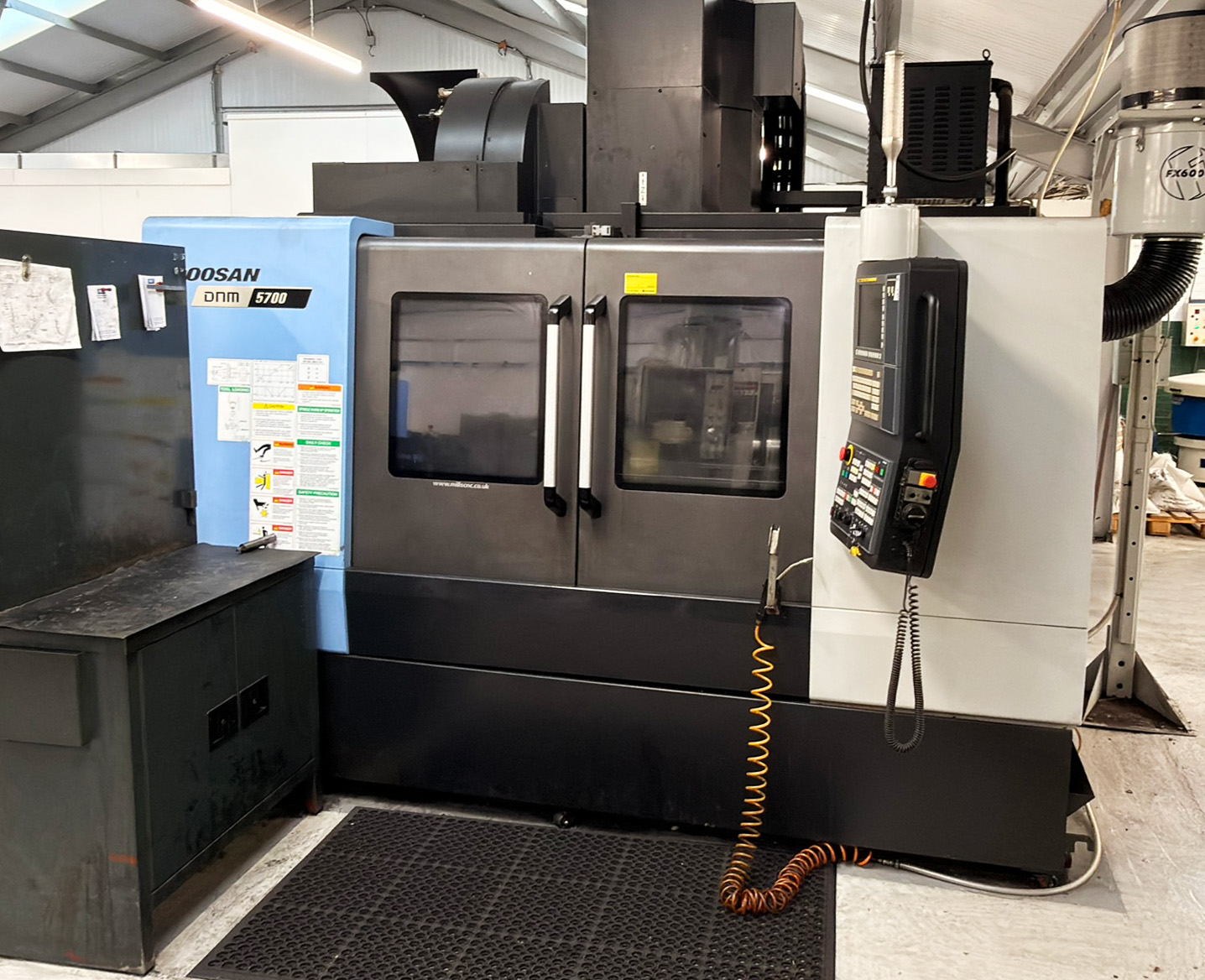
  • CNC machining centres configured specifically for composites, incorporating ultrasonic-assisted tooling
  • Simultaneous 3- and 4-axis machining to minimise handling and ensure positional accuracy
  • Diamond-coated cutting tools optimised for carbon fibre brake discs
  • Precision grinding available for final surface finishing where required
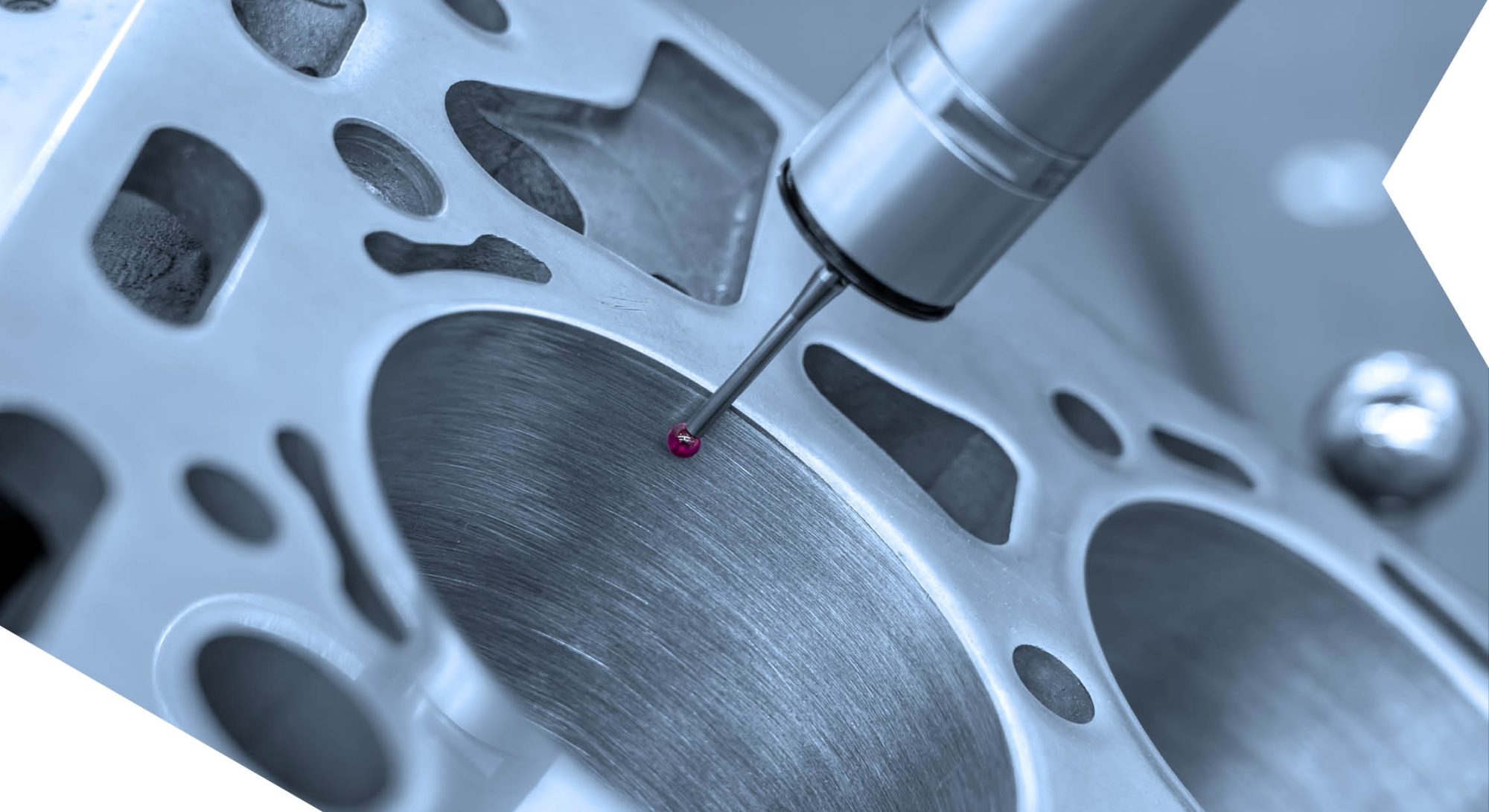
  • Inline and post-process inspection including CMM dimensional verification
  • AS9100-certified quality management with full material and process traceability

Together, these controls ensure every carbon brake disc leaving Wyken’s facility meets demanding aerospace and defence standards for reliability, service life and safety margin.

Impact on service life, safety margins and qualification

By eliminating delamination and subsurface damage, ultrasonic drilling extends component service life and improves fatigue performance.

These benefits reduce maintenance cycles, enhance operational safety margins, and simplify certification and qualification for aerospace programmes. Procurement teams evaluating suppliers can rely on Wyken Engineering for consistent, high-quality carbon brake discs that meet the most stringent requirements.

How ultrasonic drilling prevents delamination in carbon brake discs - WYKEN WEB Ultrasonic Drilling 03266
How ultrasonic drilling prevents delamination in carbon brake discs - WYKEN WEB Ultrasonic Drilling 03267

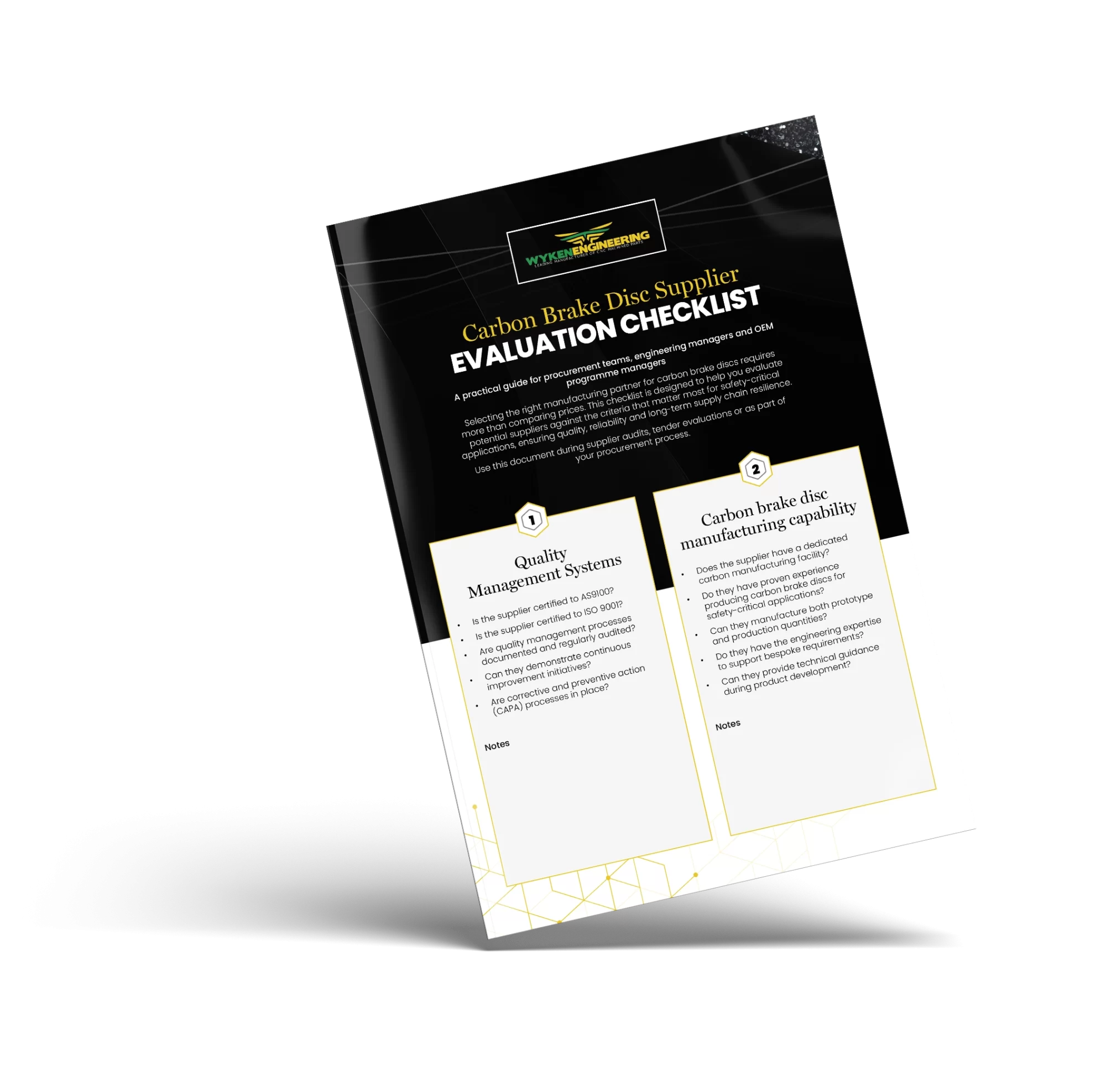
Questions checklist

If you are looking for a list of questions to ask when assessing the machining process for carbon brake discs, use these:

WYKEN_WEB - Ultrasonic Drilling 03268
WYKEN_WEB - Ultrasonic Drilling 03269
WYKEN_WEB - Ultrasonic Drilling 032610
WYKEN_WEB - Ultrasonic Drilling 032611
WYKEN_WEB - Ultrasonic Drilling 032613

How does the drilling process prevent delamination?

Are cutting forces and heat generation controlled and monitored?

What inspection methods are used to verify subsurface integrity?

How is contamination controlled during machining?

Can the supplier demonstrate repeatable results for aerospace qualification standards?

Speak to our carbon engineering team

Ultrasonic drilling transforms the machining of carbon brake discs. For your next programme, speak to Wyken Engineering’s carbon team to ensure precision, performance, and safety in every component.

To see more guides like this, and to keep up with the latest news from Wyken Engineering, please follow us on LinkedIn.
If you require more information on what are the best brake discs for your project, and about how we our precision engineering solutions can help your business, please get in touch with us.

Engineering guide: carbon-carbon vs high-carbon steel brake discs for high-energy braking - Top banner

Engineering guide: carbon-carbon vs high-carbon steel brake discs for high-energy braking

Selecting the right material for brake discs is critical in high-energy braking environments where thermal load, weight and durability directly affect performance and safety.

Our new guide explores the differences between carbon brake discs and high carbon disc brakes, helping engineers and OEM programme managers make informed decisions for demanding applications.

Overview of common brake disc materials

Brake disc materials have evolved to meet increasingly extreme operating conditions. Traditional cast iron remains widely used due to its cost-effectiveness and predictable wear characteristics, making it suitable for general automotive applications.

High carbon disc brakes, typically based on enhanced cast iron with increased carbon content, offer improved thermal stability and damping. These are often used in performance vehicles and light-duty motorsport where elevated temperatures are common but not extreme.

Carbon-carbon brake discs are engineered for the most demanding environments. Manufactured from carbon fibre reinforced carbon matrices, they excel under sustained high temperatures and repeated energy loads. They are commonly found in aerospace and top-tier motorsport.

Carbon ceramic, or carbon fibre brake discs with ceramic matrices, sit between high carbon iron and carbon-carbon systems. They provide strong thermal resistance and reduced weight, often used in high-performance road cars.

Side-by-side comparison

When comparing carbon brake discs with high carbon steel or iron alternatives, several key performance factors stand out.

Thermal performance

Carbon-carbon brake discs operate effectively at extremely high temperatures, often exceeding 1000°C, without significant loss of friction.

High carbon disc brakes perform well under moderate thermal loads but will eventually experience fade as temperatures rise beyond their design limits.

Engineering guide: carbon-carbon vs high-carbon steel brake discs for high-energy braking - WYKEN carbon brake disk guide WEB 03263
Engineering guide: carbon-carbon vs high-carbon steel brake discs for high-energy braking - WYKEN carbon brake disk guide WEB 03264

Weight

Carbon fibre brake discs are significantly lighter than iron-based discs. This reduction in unsprung mass improves handling, acceleration, and overall system efficiency.

High carbon iron discs are heavier, which can be a limiting factor in mass-critical applications.

Wear and durability

Carbon-carbon systems exhibit low wear rates when operating within their optimal temperature window. However, they can degrade more rapidly at low temperatures or in inappropriate conditions.

High carbon brake discs benefits include consistent wear behaviour and robustness across a wider temperature range.

Engineering guide: carbon-carbon vs high-carbon steel brake discs for high-energy braking - WYKEN carbon brake disk guide WEB 03265

Fade resistance

Fade resistance is a major advantage of carbon brake discs. Their ability to maintain friction under repeated high-energy stops makes them ideal for extreme duty cycles.

High carbon disc brakes provide improved fade resistance compared to standard cast iron but are not suited for sustained high-energy braking.

Engineering guide: carbon-carbon vs high-carbon steel brake discs for high-energy braking - WYKEN carbon brake disk guide WEB 03266

Cost and life cycle

Carbon-carbon brake discs have a higher upfront cost due to complex manufacturing processes. However, in the right application, their extended life cycle and performance benefits can offset this investment.

High carbon iron discs are more cost-effective initially and easier to replace, making them suitable for less extreme use cases.

When carbon-carbon becomes the right choice

Carbon-carbon brake discs are not always the default solution, but in specific scenarios they become essential.

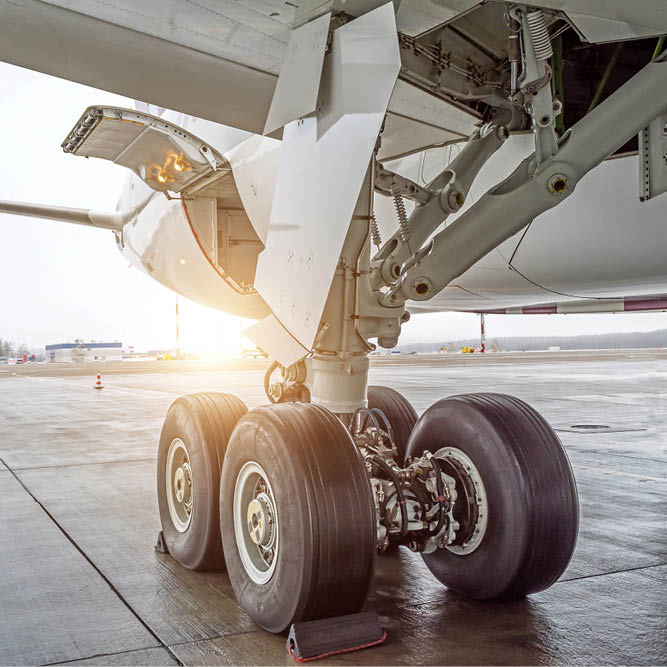
Applications involving very high energy stops, such as aircraft landing systems, demand materials that can absorb and dissipate enormous amounts of heat without failure. Carbon brake discs are uniquely suited to this environment.

Repeated braking cycles at high temperatures, such as in endurance motorsport, also favour carbon-carbon systems. Their ability to maintain consistent friction and resist thermal degradation provides a clear advantage.

Mass-critical platforms benefit significantly from carbon fibre brake discs. In aerospace and defence applications, weight savings translate directly into improved efficiency, payload capacity, or manoeuvrability.

Runway constraints and short stopping distances further reinforce the need for high-performance materials. Carbon-carbon brake discs deliver reliable braking performance under these conditions where conventional materials may struggle.

Failure modes to avoid

Despite their advantages, carbon brake discs require careful engineering and manufacturing control to avoid failure.

Delamination can occur if the bonding between carbon layers is insufficient or compromised during processing. This can lead to structural weakness under load.

Fibre pull-out is another concern, often linked to poor matrix infiltration or inadequate densification. This affects both wear characteristics and overall durability.

Cracking may develop due to thermal shock or uneven heat distribution. Proper material design and processing techniques are essential to mitigate this risk.

Process choice plays a critical role in preventing these issues. Factors such as fibre architecture, resin systems, and densification methods directly influence performance and reliability. Precision manufacturing ensures that carbon-carbon brake discs meet the stringent demands of high-energy braking environments.

Application examples

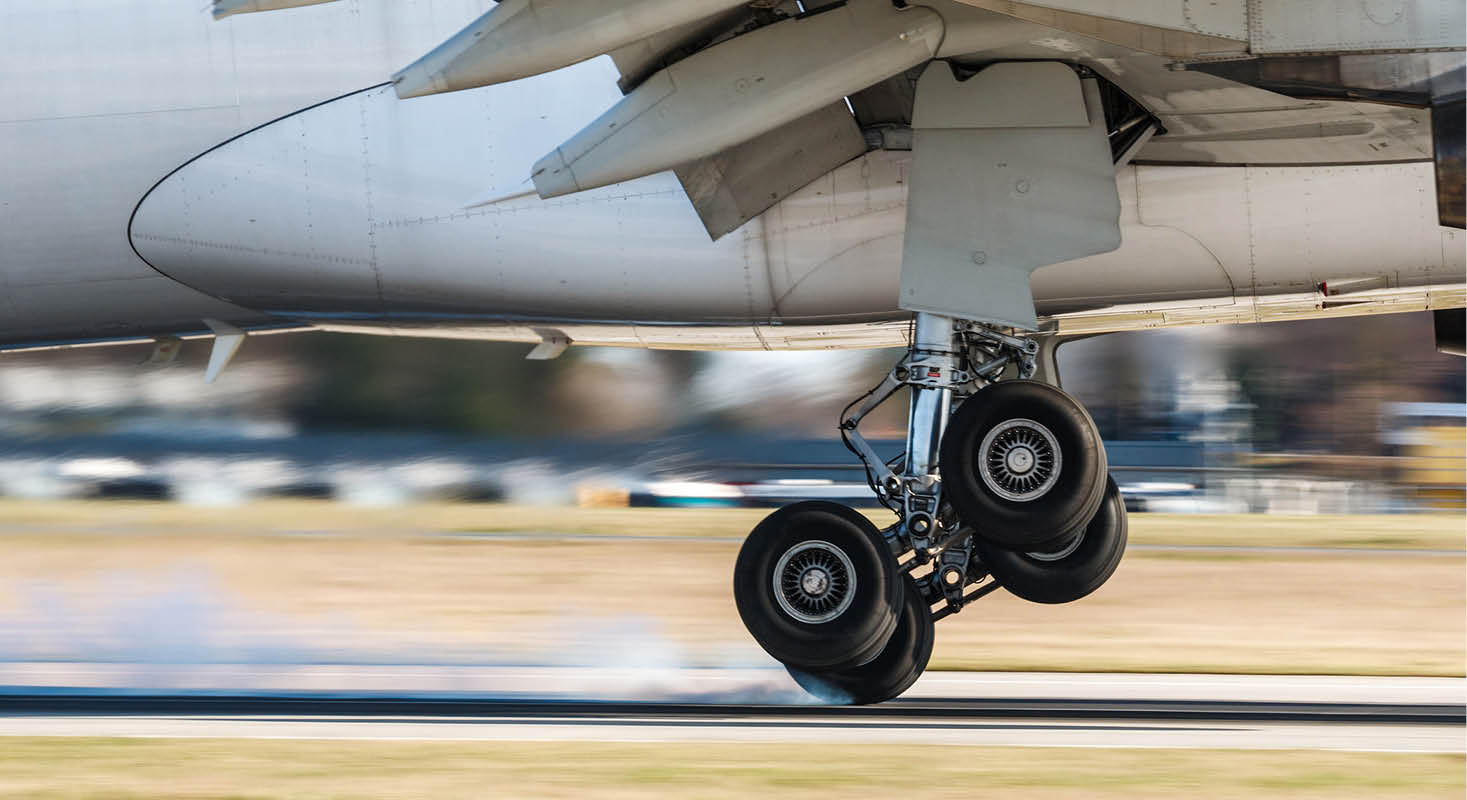
In aerospace, carbon brake discs are widely used in aircraft landing systems where they must handle extreme energy loads during touchdown. Their lightweight nature and thermal resilience make them indispensable in modern aviation.

Motorsport applications, particularly in endurance racing and Formula categories, rely on carbon-carbon brake discs for consistent high-performance braking. The ability to withstand repeated high temperature cycles without fade is a decisive advantage.

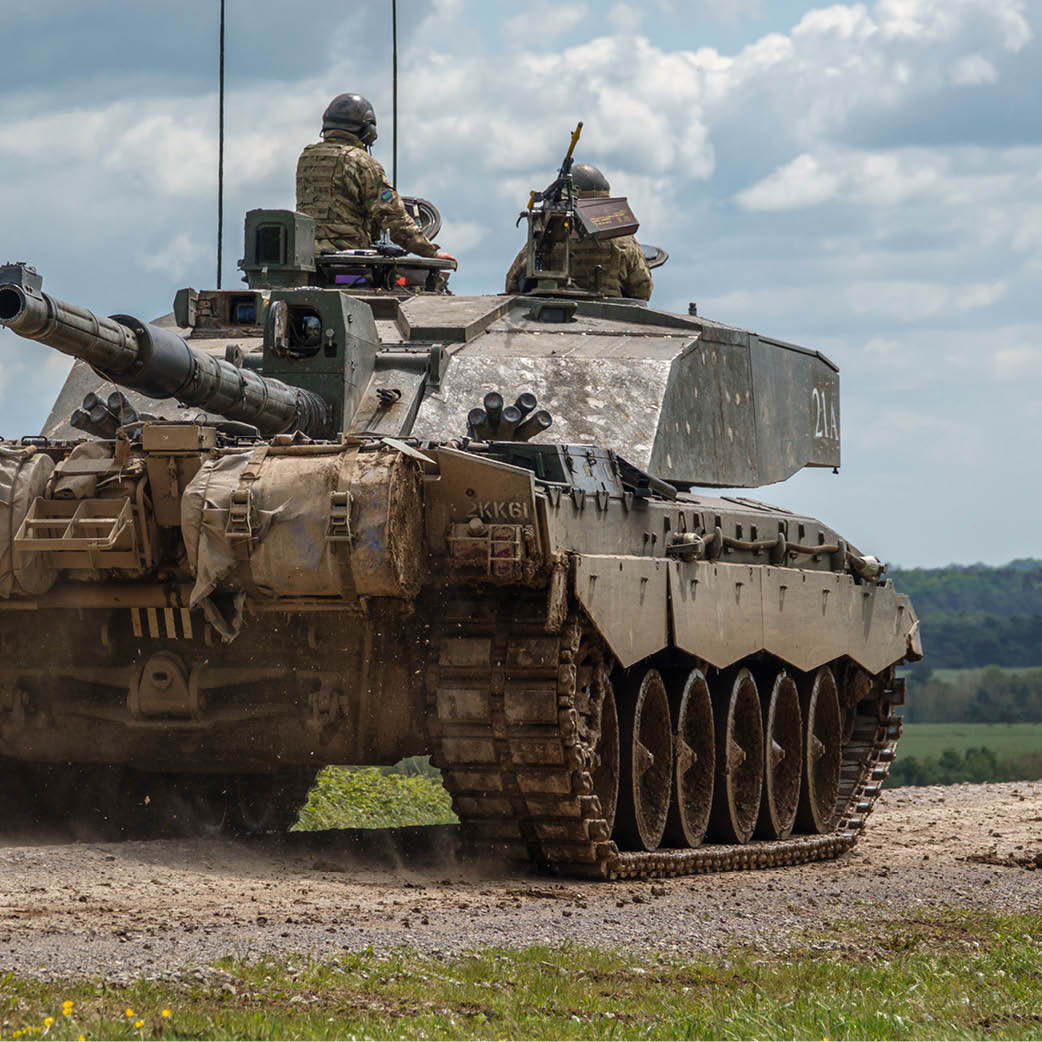
Defence platforms, including military aircraft and high-performance ground vehicles, benefit from the durability and weight savings offered by carbon fibre brake discs. These systems must operate reliably under harsh and unpredictable conditions.

Making the right choice

Choosing between high carbon disc brakes and carbon-carbon brake discs depends on the specific performance requirements of your application.

For moderate temperature ranges and cost-sensitive projects, high carbon iron discs offer a balanced solution. For extreme energy environments where weight and thermal performance are critical, carbon brake discs provide unmatched capability.

Discuss your requirements

Material selection is a critical engineering decision that impacts performance, safety, and life cycle cost. If you are evaluating carbon brake discs or exploring the high carbon brake discs benefits for your application, our team can help.

Discuss your brake disc material selection with our engineering team by clicking the button below.

To see more stories like this, and to keep up with the latest news from Wyken Engineering, please follow us on LinkedIn.

What are the best brake discs?

What are the best brake discs and why? Steel vs Carbon Ceramic vs Carbon Carbon

When asking “what are the best brake discs”, the answer depends entirely on the application. For example, a road car, a GT race car and an aircraft all demand very different braking characteristics (imagine a car with the braking capabilities of a passenger jet…). Factors such as operating temperature, weight, durability and cost all influence which material performs best in each environment.

Normally, brake discs are made from cast iron or steel, carbon ceramic, or carbon carbon. Each of these materials offer a distinct balance of performance, longevity and suitability, which this guide explores to help answer the question clearly and practically.

What makes a brake disc “the best”?

The best brake disc is the one that matches its intended use. Key considerations include braking performance and consistency, resistance to heat and fade, weight and rotational mass, service life, operating temperature range and overall cost relative to performance.

A disc that excels on the road may be ineffective on track, while a motorsport solution may be impractical for everyday use.

What are the best brake discs and why? Steel vs Carbon Ceramic vs Carbon Carbon - General image 1 for referencing aircraft only

Overview of brake disc types

The three main brake disc categories are standard road discs made from cast iron or steel, high performance carbon ceramic discs, and ultra-high temperature carbon carbon discs used in extreme environments.

Let’s delve into each of them in a little more detail, and decide what are the best brake discs for your application.

What are the best brake discs - cast iron steel

Standard road brake discs (cast iron/steel)

Cast iron and steel brake discs are produced through casting or machining processes that prioritise strength, reliability and affordability. They are widely used on passenger vehicles, light commercial vehicles and many performance road cars.

Their main advantages are predictable cold braking, durability in everyday conditions and low replacement cost. Limitations include higher weight and reduced performance at sustained high temperatures. For normal road driving and general use, these are often the best brake discs available.

What are the best brake discs - carbon ceramic

Carbon ceramic brake discs

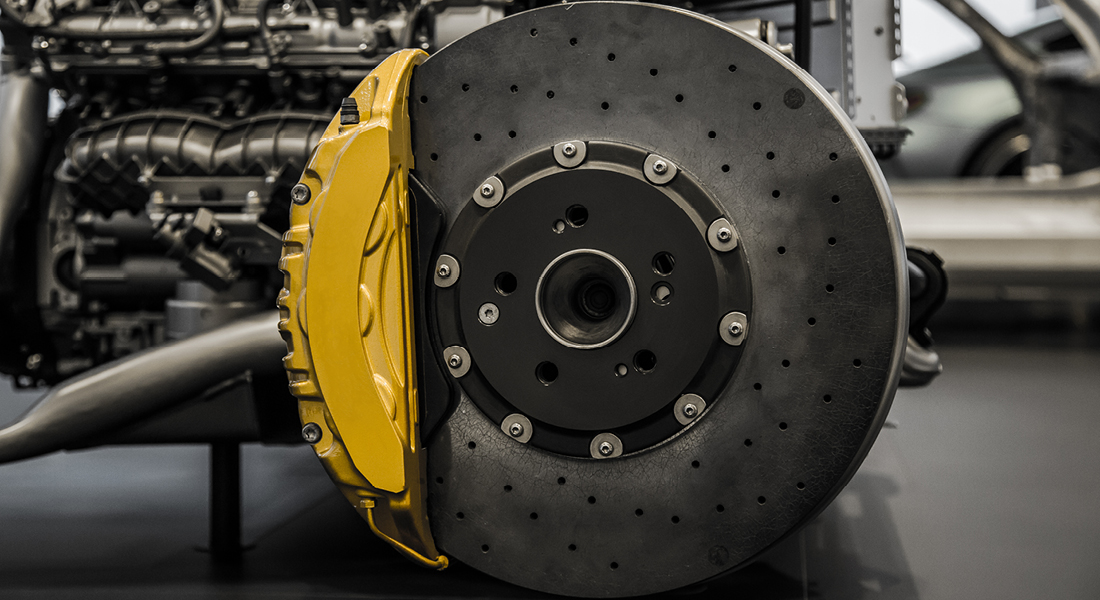
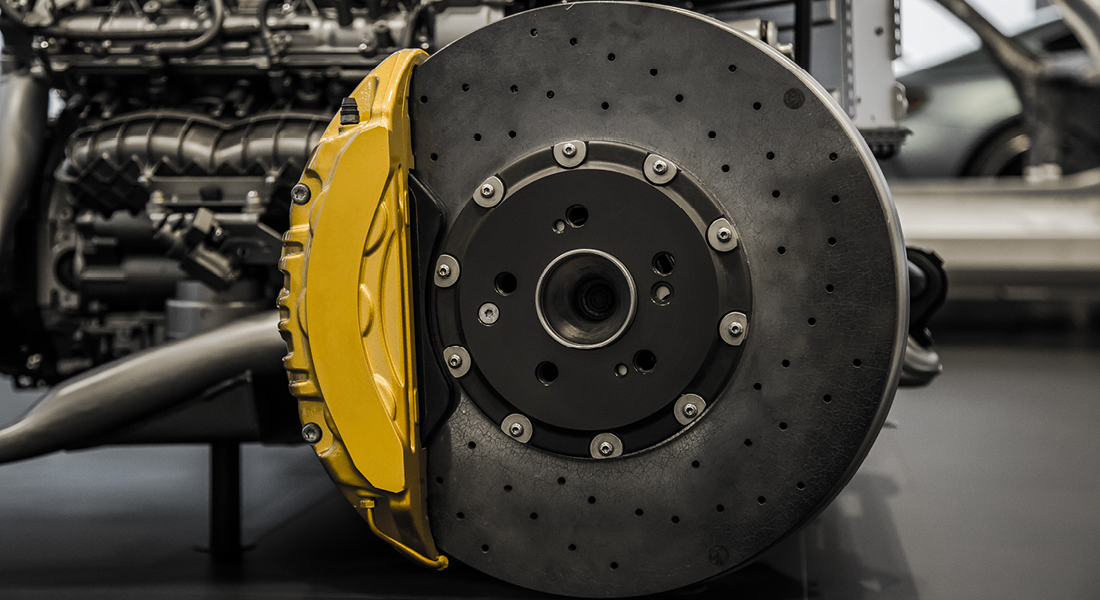
Carbon ceramic brake discs are made from a carbon fibre reinforced ceramic matrix. Compared to steel discs, they offer significantly lower weight, excellent heat resistance and very long service life.

They perform best at higher temperatures and resist brake fade effectively, making them popular on supercars and high performance road vehicles. Drawbacks include high cost and reduced effectiveness when cold. Carbon ceramic discs are the best choice where weight reduction and repeated high speed braking are priorities.

What are the best brake discs - carbon carbon

Carbon carbon brake discs

Carbon carbon brake discs are manufactured entirely from carbon fibre and carbon matrix materials. Unlike carbon ceramic, there is no ceramic phase, allowing them to withstand extreme temperatures without structural degradation.

They offer outstanding thermal performance and minimal fade at very high operating temperatures. However, they require heat to function effectively and wear more quickly at low temperatures.

Typical applications include motorsport and aviation, where performance at extreme speeds and loads is critical. For these environments, carbon carbon discs are the best brake discs available.

You can learn more on our carbon carbon brake disc manufacturing service page to see their use across motorsport and aviation sectors.

Direct comparison for brake disc materials

Material Heat tolerance Weight Cold performance Cost Typical use
Cast iron/steel Moderate High Excellent Low Road vehicles
Carbon ceramic High Low Moderate High Performance road
Carbon carbon Extreme Very low Poor Very high Motorsport, aviation

So, what are the best brake discs?

For road cars, steel or cast iron discs remain the best solution due to reliability and value. In motorsport, the best brake discs vary by discipline, with carbon ceramic common in endurance racing and carbon carbon essential in top tier single seater and extreme applications. In aviation, carbon carbon is the clear choice due to weight and thermal demands.

At Wyken Engineering, we specialise in advanced brake materials for aerospace, motorsport and defence sectors, with extensive experience in the manufacture of carbon carbon brake discs. Our understanding of different operating environments ensures every solution is optimised for its application.

If you require more information on what are the best brake discs for your project, and about how we our precision engineering solutions can help your business, please get in touch with us.

Frequently Asked Questions (FAQs)

  • What are the best brake discs for road cars?

For most drivers, cast iron or steel brake discs offer the best balance of performance, durability and cost.


  • Are carbon ceramic brakes better than steel?

They are better for high performance driving and weight reduction, but not always ideal for everyday use.


  • Why are carbon carbon brakes used in motorsport?

They deliver consistent braking at extreme temperatures where other materials would fail.

To see more stories like this, and to keep up with the latest news from Wyken Engineering, please follow us on LinkedIn.
Why Wyken is the UK’s specialist in carbon brake disc manufacturing - WYKEN Services WEB 12252 top banner

Why Wyken is the UK’s specialist in carbon brake disc manufacturing

For over 70 years, Wyken Engineering has evolved to meet the most demanding requirements of the modern manufacturing of carbon brake discs. From our Warwickshire facility, we deliver advanced precision engineering services for aerospace, motorsport, defence and high-performance industrial sectors, with a reputation built on solving problems conventional machining cannot.

At the heart of Wyken’s offering is specialist expertise in carbon composite components, particularly carbon brake discs. Carbon delivers exceptional performance to weight ratio, thermal stability and fade resistance, but machining it presents major challenges. Traditional processes risk delamination, fibre pull out and hidden structural damage.

Wyken addressed this by developing proprietary ultrasonic assisted drilling technology, reducing cutting forces and enabling delamination free manufacturing trusted across championship motorsport and flight critical aerospace applications.

Why Wyken is the UK’s specialist in carbon brake disc manufacturing - Brake disc general image
Why Wyken is the UK’s specialist in carbon brake disc manufacturing - Advanced CNC turning and turn mill capability

Advanced CNC turning and turn mill capability

Wyken Engineering delivers advanced CNC turning and multi axis turn mill capability for carbon brake discs, carbon clutch plates and high precision shafts. These processes enable complex features such as cross drilling, milled flats and intricate end geometry to be produced in a single setup, while maintaining concentricity, surface finish and dimensional accuracy across challenging materials.

Why Wyken is the UK’s specialist in carbon brake disc manufacturing - Multi axis CNC milling for demanding industries

Multi axis CNC milling for demanding industries

Multi axis CNC milling supports aerospace, motorsport and defence programmes, producing precision alloy and composite components where accuracy and repeatability are essential.

Wyken’s investment in 3 and 4 axis centres, combined with decades of process development, enables reliable manufacture for components where tolerances are tight and failure is not an option.
Why Wyken is the UK’s specialist in carbon brake disc manufacturing - Precision grinding for critical performance

Precision grinding for critical performance

Precision surface grinding plays a vital role in transforming machined components into finished assemblies. While turning and milling establish geometry, grinding delivers final dimensions, mirror finishes and functional surface characteristics that ensure bearings run smoothly, seals perform reliably and brake discs deliver consistent friction performance.
Why Wyken is the UK’s specialist in carbon brake disc manufacturing - In house painting and component coating

In-house painting and component coating

Professional painting demands a controlled environment to prevent contamination and achieve consistent, high quality finishes. Our purpose-built spray booth delivers these conditions every time.

We provide spray booth painting and component coating for engineering, automotive, defence and industrial components. These finishes protect precision parts from corrosion, provide clear identification and ensure compliance with customer and regulatory specifications.

Why Wyken is the UK’s specialist in carbon brake disc manufacturing - CNC general image

UK manufacturing, quality and security

All manufacturing is carried out entirely within our Warwickshire facility, ensuring supply chain security and rapid access nationwide. We strictly operate under AS9100 certified quality systems, delivering full traceability from raw material through to final inspection, supporting aerospace, defence and motorsport requirements without compromise.

Rather than working with you as a transactional supplier, we prefer to operate as a technical partner. With decades of carbon composite and precision engineering expertise, our team supports customers with design insight, process knowledge and responsive manufacturing, delivering components that perform reliably in the most demanding environments.

To see more stories like this, and to keep up with the latest news from Wyken Engineering, please follow us on LinkedIn.