

Engineering guide: carbon-carbon vs high-carbon steel brake discs for high-energy braking
Selecting the right material for brake discs is critical in high-energy braking environments where thermal load, weight and durability directly affect performance and safety.
Our new guide explores the differences between carbon brake discs and high carbon disc brakes, helping engineers and OEM programme managers make informed decisions for demanding applications.
Overview of common brake disc materials
Brake disc materials have evolved to meet increasingly extreme operating conditions. Traditional cast iron remains widely used due to its cost-effectiveness and predictable wear characteristics, making it suitable for general automotive applications.
High carbon disc brakes, typically based on enhanced cast iron with increased carbon content, offer improved thermal stability and damping. These are often used in performance vehicles and light-duty motorsport where elevated temperatures are common but not extreme.
Carbon-carbon brake discs are engineered for the most demanding environments. Manufactured from carbon fibre reinforced carbon matrices, they excel under sustained high temperatures and repeated energy loads. They are commonly found in aerospace and top-tier motorsport.
Carbon ceramic, or carbon fibre brake discs with ceramic matrices, sit between high carbon iron and carbon-carbon systems. They provide strong thermal resistance and reduced weight, often used in high-performance road cars.
Side-by-side comparison
When comparing carbon brake discs with high carbon steel or iron alternatives, several key performance factors stand out.
Thermal performance
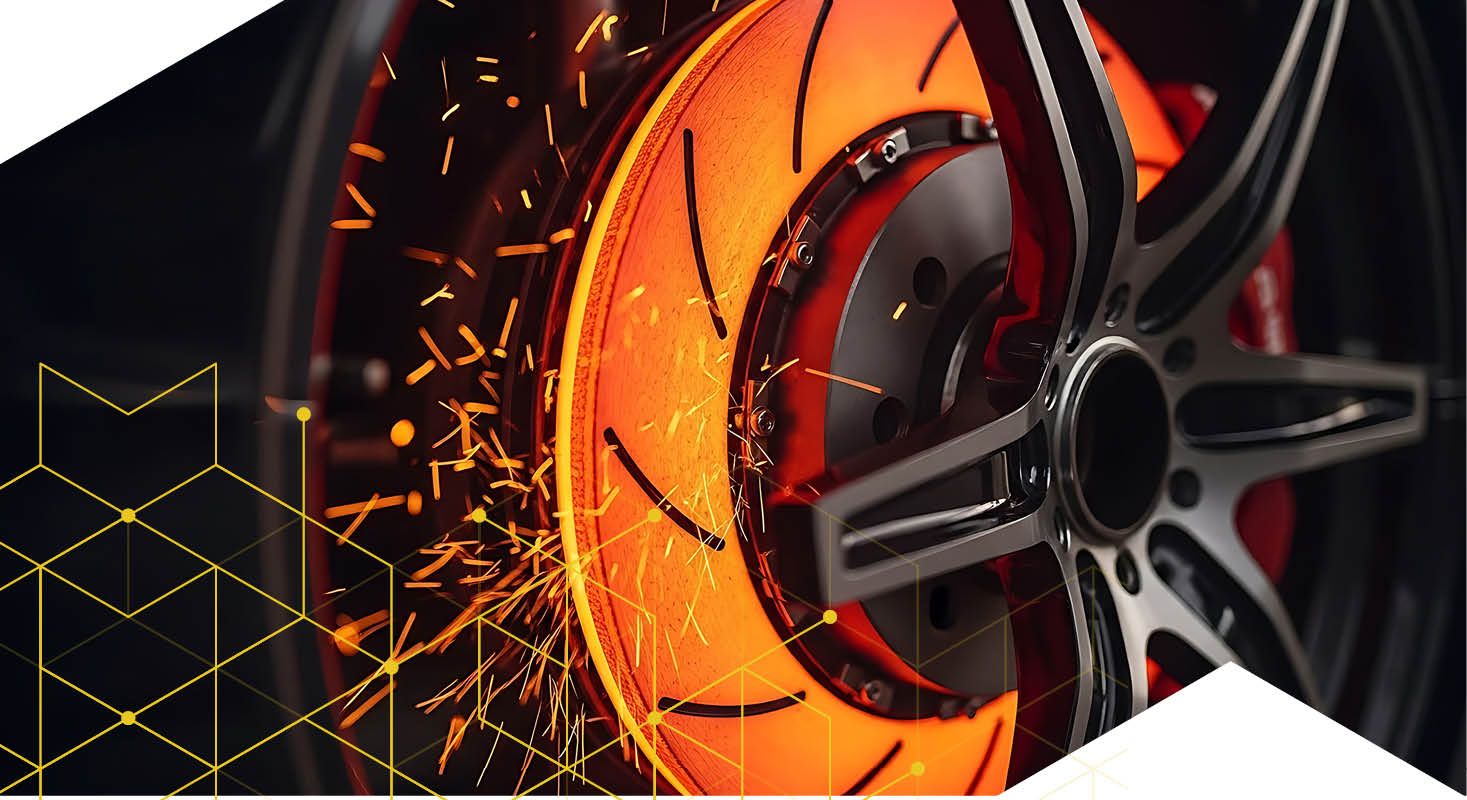
Carbon-carbon brake discs operate effectively at extremely high temperatures, often exceeding 1000°C, without significant loss of friction.
High carbon disc brakes perform well under moderate thermal loads but will eventually experience fade as temperatures rise beyond their design limits.
Weight
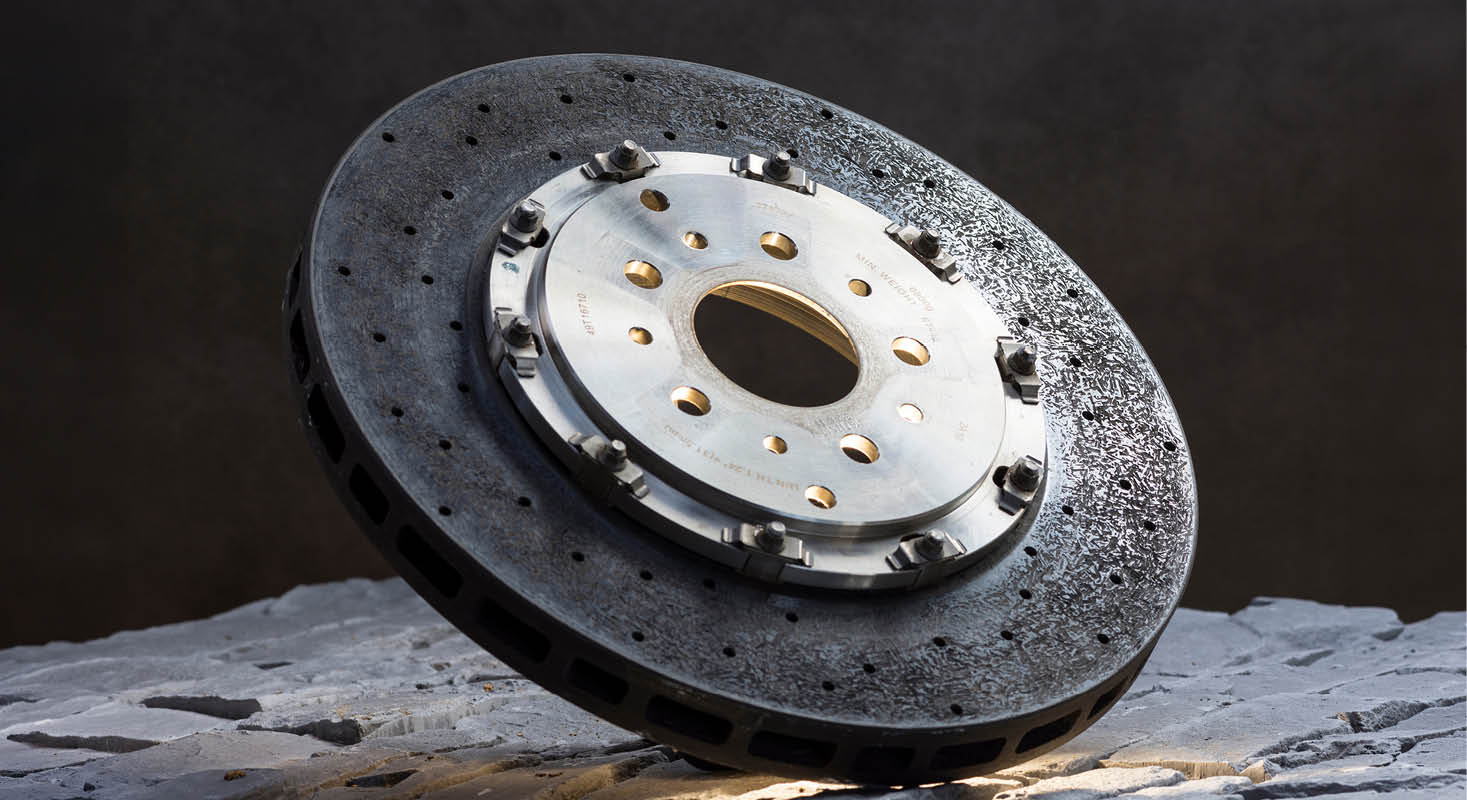
Carbon fibre brake discs are significantly lighter than iron-based discs. This reduction in unsprung mass improves handling, acceleration, and overall system efficiency.
High carbon iron discs are heavier, which can be a limiting factor in mass-critical applications.
Wear and durability
Carbon-carbon systems exhibit low wear rates when operating within their optimal temperature window. However, they can degrade more rapidly at low temperatures or in inappropriate conditions.
High carbon brake discs benefits include consistent wear behaviour and robustness across a wider temperature range.
Fade resistance
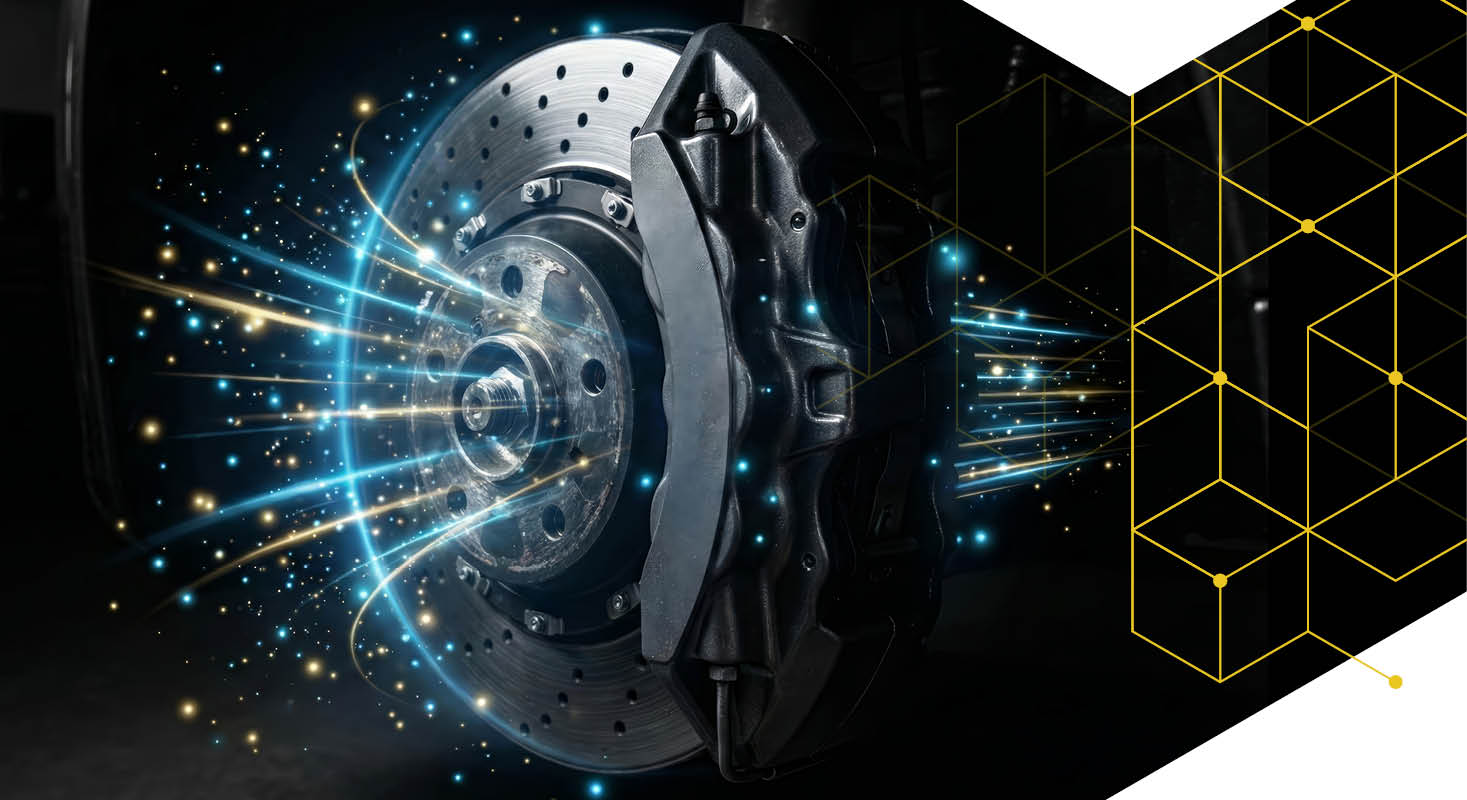
Fade resistance is a major advantage of carbon brake discs. Their ability to maintain friction under repeated high-energy stops makes them ideal for extreme duty cycles.
High carbon disc brakes provide improved fade resistance compared to standard cast iron but are not suited for sustained high-energy braking.
Cost and life cycle
Carbon-carbon brake discs have a higher upfront cost due to complex manufacturing processes. However, in the right application, their extended life cycle and performance benefits can offset this investment.
High carbon iron discs are more cost-effective initially and easier to replace, making them suitable for less extreme use cases.
When carbon-carbon becomes the right choice
Carbon-carbon brake discs are not always the default solution, but in specific scenarios they become essential.
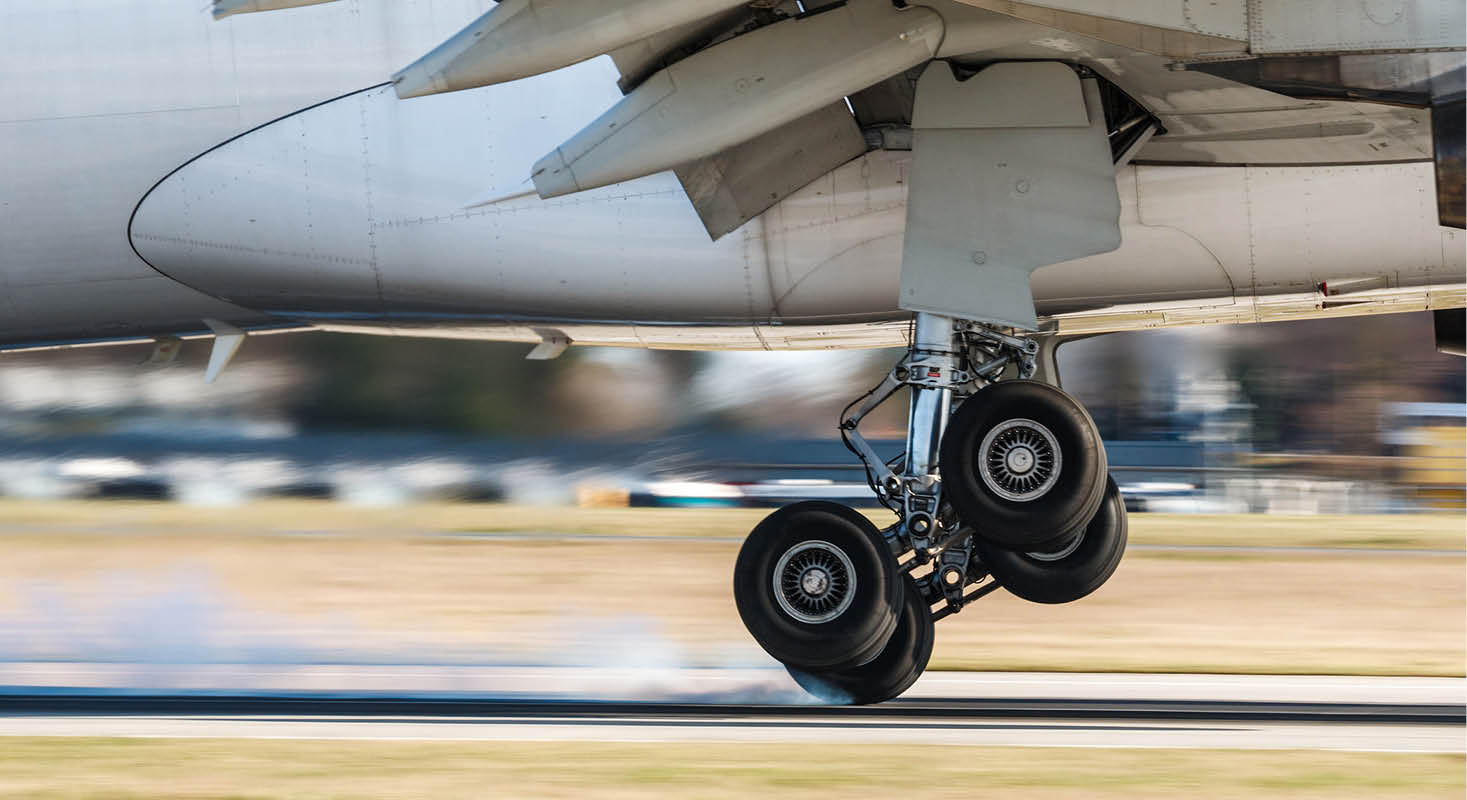
Applications involving very high energy stops, such as aircraft landing systems, demand materials that can absorb and dissipate enormous amounts of heat without failure. Carbon brake discs are uniquely suited to this environment.
Repeated braking cycles at high temperatures, such as in endurance motorsport, also favour carbon-carbon systems. Their ability to maintain consistent friction and resist thermal degradation provides a clear advantage.
Mass-critical platforms benefit significantly from carbon fibre brake discs. In aerospace and defence applications, weight savings translate directly into improved efficiency, payload capacity, or manoeuvrability.
Runway constraints and short stopping distances further reinforce the need for high-performance materials. Carbon-carbon brake discs deliver reliable braking performance under these conditions where conventional materials may struggle.
Failure modes to avoid
Despite their advantages, carbon brake discs require careful engineering and manufacturing control to avoid failure.
Delamination can occur if the bonding between carbon layers is insufficient or compromised during processing. This can lead to structural weakness under load.
Fibre pull-out is another concern, often linked to poor matrix infiltration or inadequate densification. This affects both wear characteristics and overall durability.
Cracking may develop due to thermal shock or uneven heat distribution. Proper material design and processing techniques are essential to mitigate this risk.
Process choice plays a critical role in preventing these issues. Factors such as fibre architecture, resin systems, and densification methods directly influence performance and reliability. Precision manufacturing ensures that carbon-carbon brake discs meet the stringent demands of high-energy braking environments.
Application examples
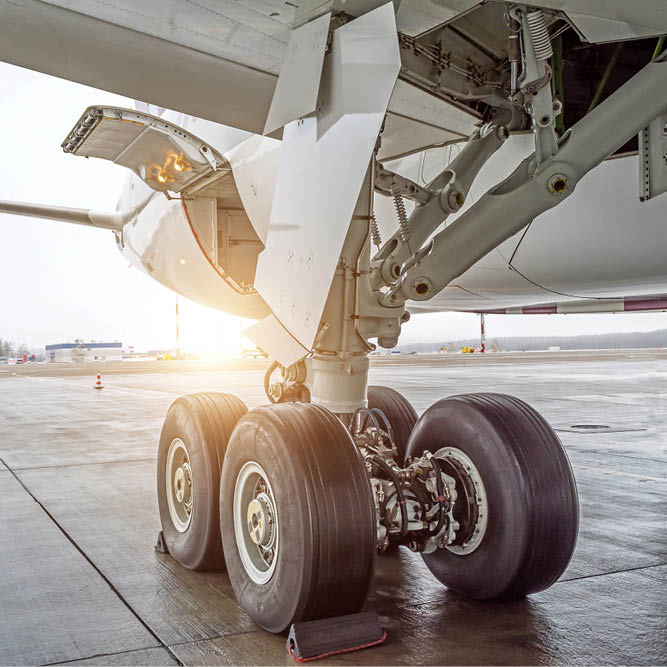
In aerospace, carbon brake discs are widely used in aircraft landing systems where they must handle extreme energy loads during touchdown. Their lightweight nature and thermal resilience make them indispensable in modern aviation.
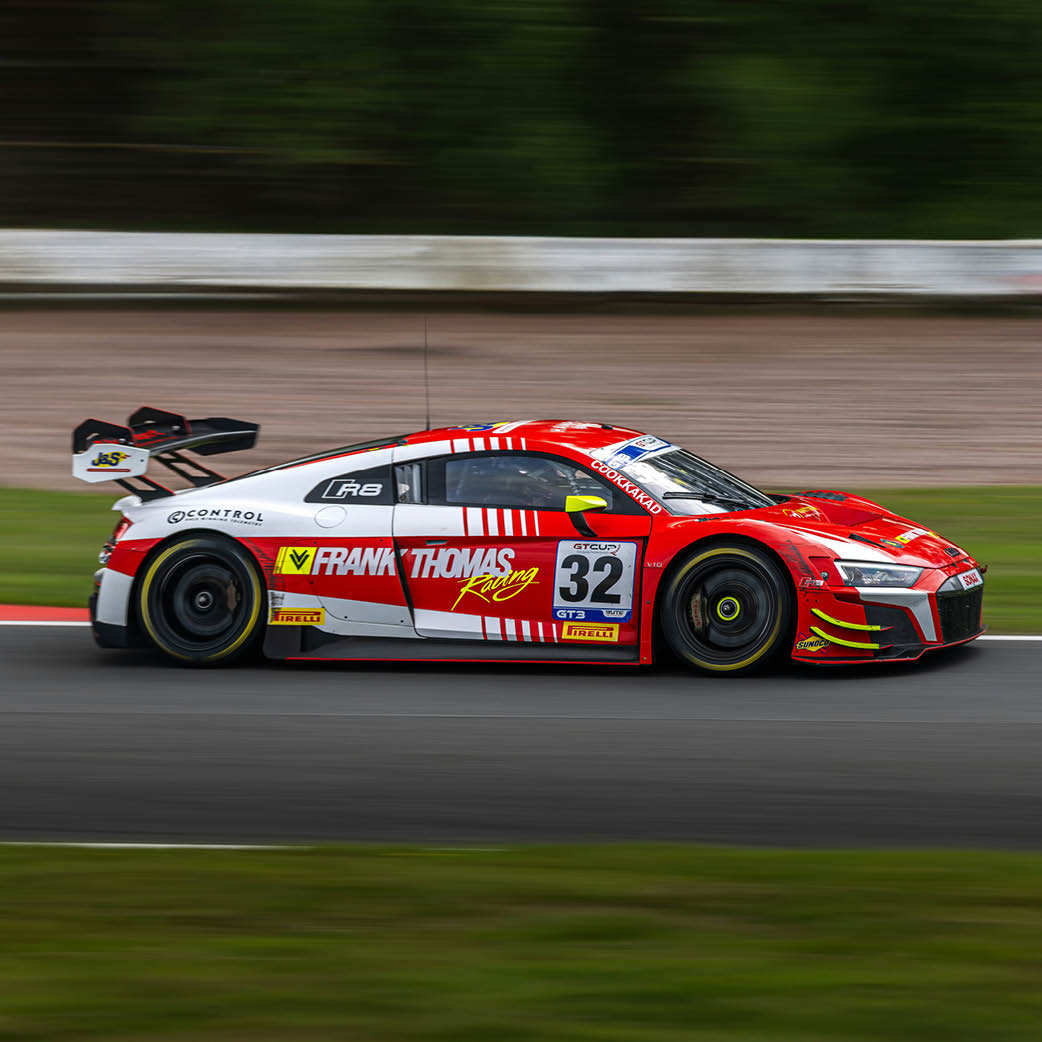
Motorsport applications, particularly in endurance racing and Formula categories, rely on carbon-carbon brake discs for consistent high-performance braking. The ability to withstand repeated high temperature cycles without fade is a decisive advantage.
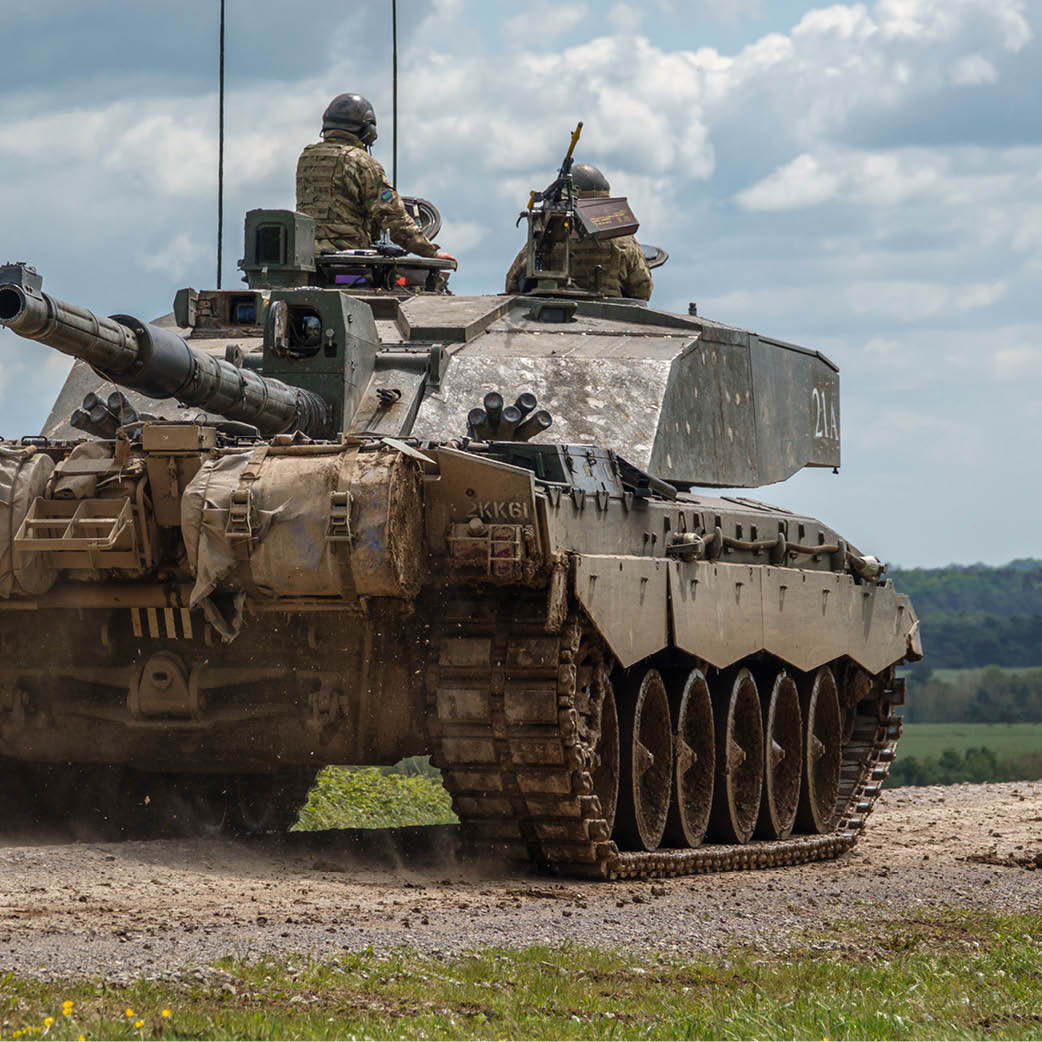
Defence platforms, including military aircraft and high-performance ground vehicles, benefit from the durability and weight savings offered by carbon fibre brake discs. These systems must operate reliably under harsh and unpredictable conditions.
Making the right choice
Choosing between high carbon disc brakes and carbon-carbon brake discs depends on the specific performance requirements of your application.
For moderate temperature ranges and cost-sensitive projects, high carbon iron discs offer a balanced solution. For extreme energy environments where weight and thermal performance are critical, carbon brake discs provide unmatched capability.
Discuss your requirements
Material selection is a critical engineering decision that impacts performance, safety, and life cycle cost. If you are evaluating carbon brake discs or exploring the high carbon brake discs benefits for your application, our team can help.
Discuss your brake disc material selection with our engineering team by clicking the button below.
Explore more on our Carbon Brake Discs, Aerospace, Motorsport, and Defence pages to see how Wyken Engineering supports high-performance braking solutions.
To see more stories like this, and to keep up with the latest news from Wyken Engineering, please follow us on LinkedIn.