
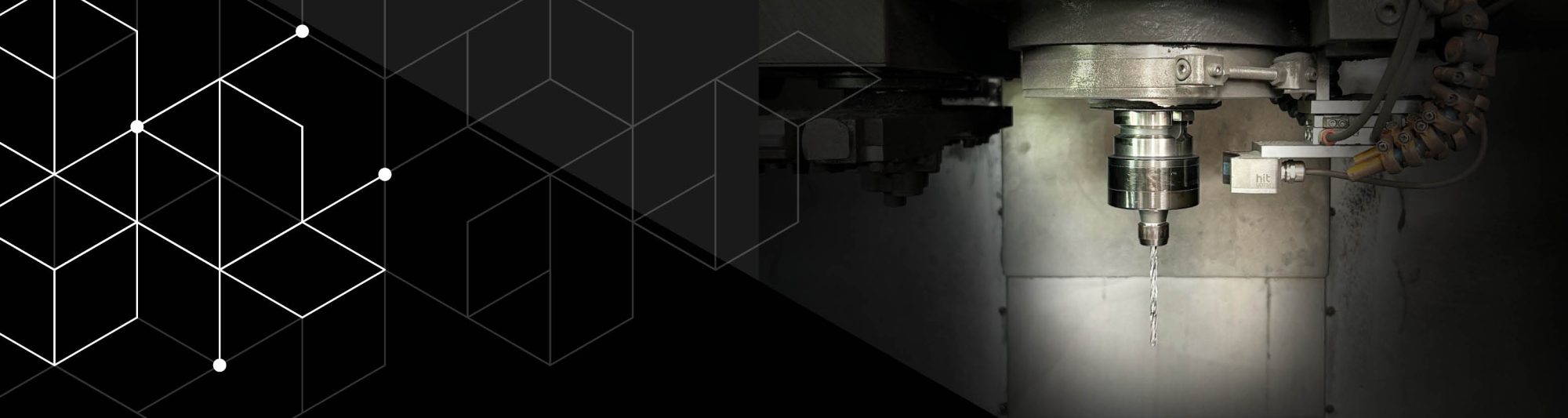
How ultrasonic drilling prevents delamination in carbon brake discs
Nowadays, carbon brake discs are being used in aerospace and defence applications due to their exceptional thermal stability, high strength-to-weight ratio, and consistent braking performance under extreme conditions. However, machining these advanced materials presents significant challenges.
Conventional drilling methods can compromise the integrity of carbon fibre brake discs, leading to delamination, fibre pull-out, and subsurface damage that impact service life and safety margins.
Wyken Engineering’s ultrasonic drilling process addresses these challenges, ensuring reliable, high-performance carbon fibre disc brakes.
Why we use ultrasonic drilling
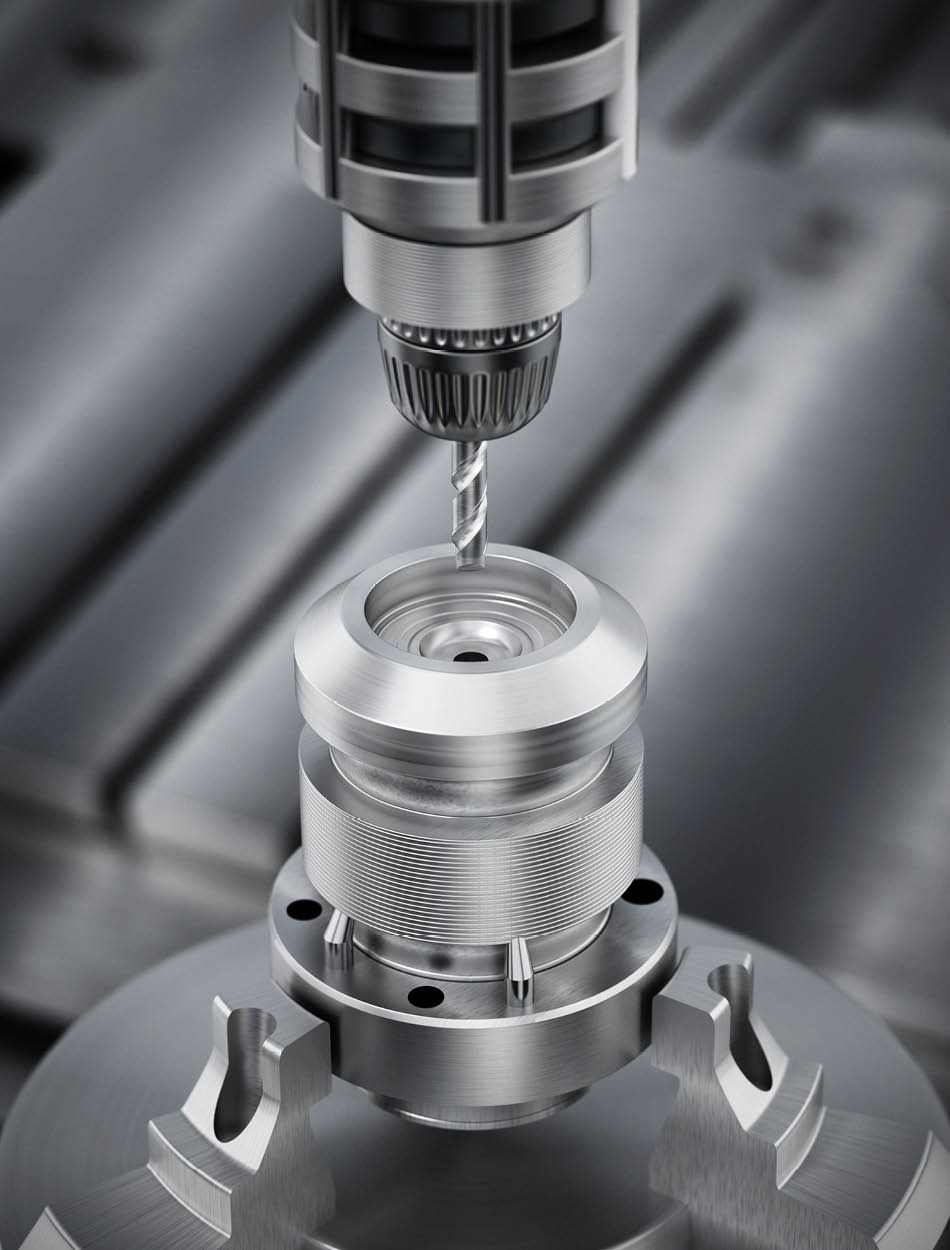
Ultrasonic drilling is central to our ability to achieve superior machining performance, accuracy and tool life when producing carbon brake discs.
By significantly reducing cutting forces, the process increases machining efficiency while minimising stress on both the material and the tooling. This allows us to consistently manufacture complex drilling patterns that would be difficult or impossible using conventional methods.
Smaller hole diameters, increased drilling depths and a higher density of holes can all be achieved without compromising fibre integrity in carbon fibre brake discs or carbon disc brakes.
For motorsport applications, this capability enables advanced cooling geometries, improved heat dissipation and repeatable precision in high performance braking systems.
Why carbon composites are prone to delamination
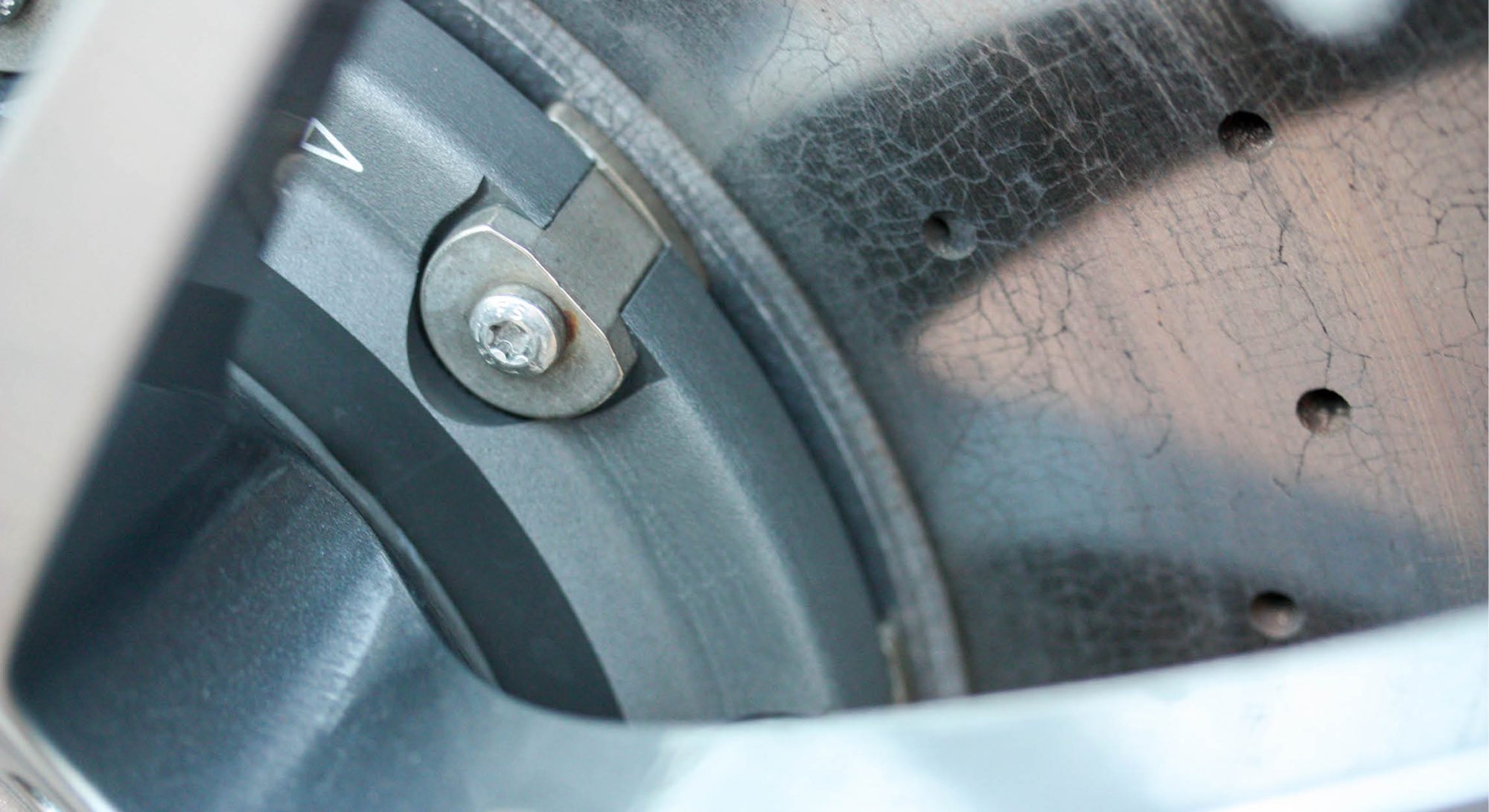
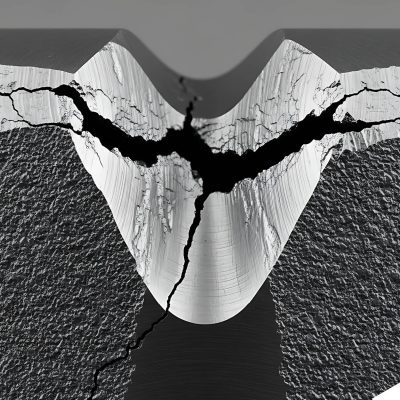
Carbon brake discs and aircraft carbon brakes are composed of tightly woven carbon fibre layers bound with resin matrices. When conventional rotary drills are used, the high cutting forces and friction can separate these layers, generating micro-cracks and delamination around the hole.
This damage is often invisible to the naked eye but can drastically reduce fatigue resistance and compromise structural integrity under repeated thermal and mechanical loading. Even slight fibre misalignment or resin cracking can propagate over time, impacting braking reliability.
Principles of ultrasonic drilling
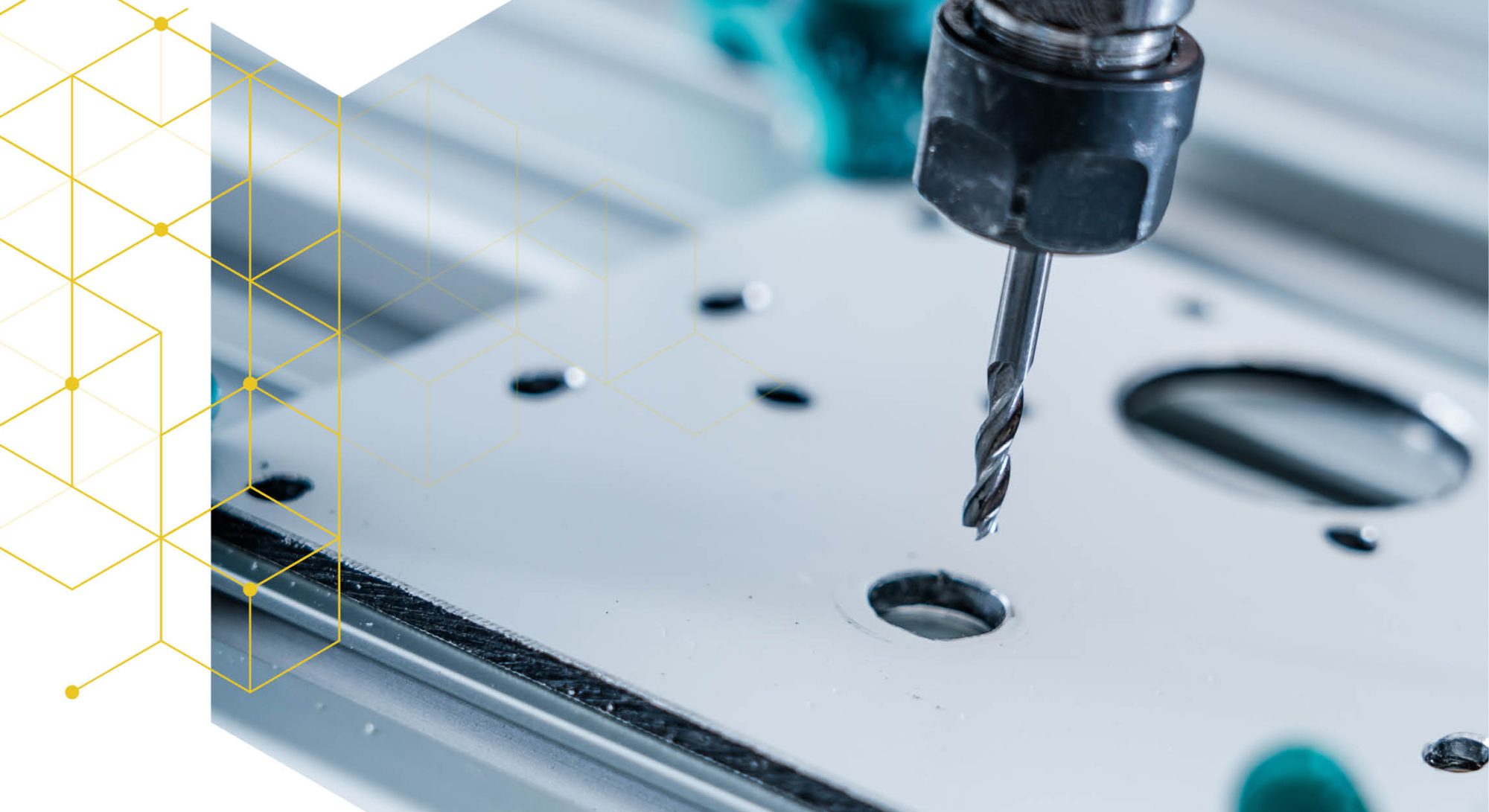
Ultrasonic drilling uses high-frequency vibrations (typically 20-40 kHz) superimposed on a slow feed of the drill. This “hammering” effect reduces cutting forces by orders of magnitude compared to conventional drilling, allowing the drill to advance through carbon fibre disc brakes with minimal lateral stress.
The vibrations are carefully tuned to interact with the fibre architecture, slicing through fibres cleanly while preserving resin bonds.
Key benefits include:
- Reduced delamination and fibre pull-out
- Minimal subsurface damage
- Improved hole roundness and dimensional consistency
- Controlled heat generation, reducing thermal degradation of the composite
Conventional vs ultrasonic drilled holes
Wyken Engineering’s evaluations of carbon fibre brake discs reveal dramatic differences in surface integrity:
- Conventional drilling: Edges show fibre fraying, resin smearing and micro-cracks. Fatigue resistance can be reduced by up to 30%, increasing inspection frequency and risk of premature failure.
- Ultrasonic drilling: Holes maintain fibre continuity, with clean edges and smooth surfaces. Subsurface inspection shows negligible matrix damage, enhancing fatigue life and structural reliability.
These improvements translate directly into increased safety margins and confidence in performance-critical applications.
Process controls at Wyken’s dedicated carbon facility
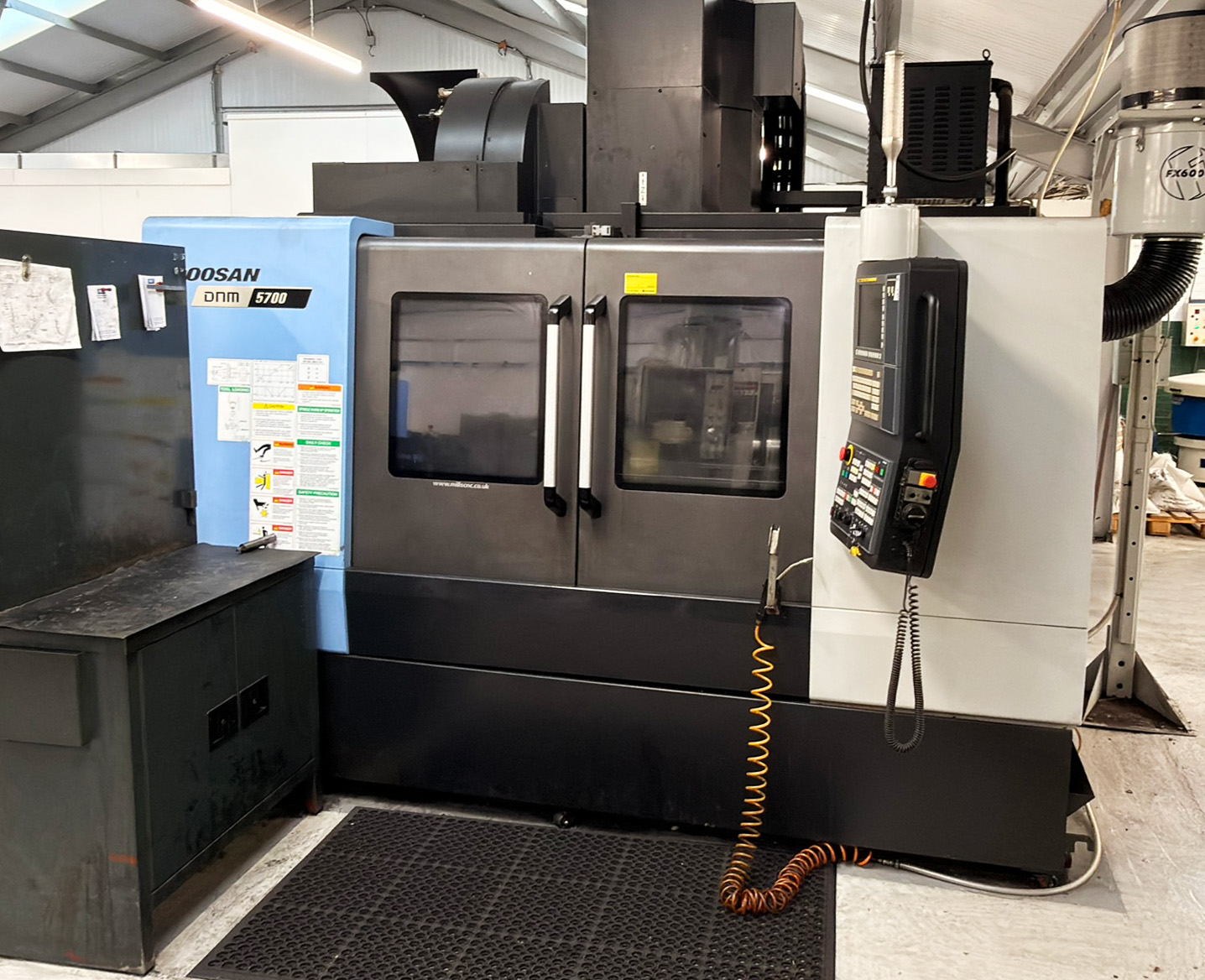
Machining carbon brake discs demands a tightly controlled environment to prevent contamination, material degradation and hidden structural defects. Wyken Engineering operates a purpose-built carbon processing facility that is fully isolated from metallic machining operations, ensuring carbon fibre brake discs are produced without risk of cross-contamination.
On top of this, Wyken’s dedicated facility features:
- Advanced HEPA filtration and local extraction controlling carbon dust at source
- Temperature and humidity-controlled environment to prevent moisture absorption and maintain dimensional stability
- CNC machining centres configured specifically for composites, incorporating ultrasonic-assisted tooling
- Simultaneous 3- and 4-axis machining to minimise handling and ensure positional accuracy
- Diamond-coated cutting tools optimised for carbon fibre brake discs
- Precision grinding available for final surface finishing where required
- Inline and post-process inspection including CMM dimensional verification
- AS9100-certified quality management with full material and process traceability
Together, these controls ensure every carbon brake disc leaving Wyken’s facility meets demanding aerospace and defence standards for reliability, service life and safety margin.
Impact on service life, safety margins and qualification
By eliminating delamination and subsurface damage, ultrasonic drilling extends component service life and improves fatigue performance.
These benefits reduce maintenance cycles, enhance operational safety margins, and simplify certification and qualification for aerospace programmes. Procurement teams evaluating suppliers can rely on Wyken Engineering for consistent, high-quality carbon brake discs that meet the most stringent requirements.
Questions checklist
If you are looking for a list of questions to ask when assessing the machining process for carbon brake discs, use these:





How does the drilling process prevent delamination?
Are cutting forces and heat generation controlled and monitored?
What inspection methods are used to verify subsurface integrity?
How is contamination controlled during machining?
Can the supplier demonstrate repeatable results for aerospace qualification standards?
Speak to our carbon engineering team
Ultrasonic drilling transforms the machining of carbon brake discs. For your next programme, speak to Wyken Engineering’s carbon team to ensure precision, performance, and safety in every component.
To see more guides like this, and to keep up with the latest news from Wyken Engineering, please follow us on LinkedIn.
If you require more information on what are the best brake discs for your project, and about how we our precision engineering solutions can help your business, please get in touch with us.