
Engineering carbon brake discs for motorsport and performance vehicles
Wyken Engineering works closely with manufacturers and motorsport suppliers to machine precision carbon brake disc components that meet demanding operational and geometric tolerances.
In motorsport and high-performance automotive applications, braking systems are subjected to some of the harshest operating conditions in engineering. From repeated heavy deceleration at high speed to rapid thermal cycling and strict weight constraints, every aspect of brake disc design must balance performance, reliability and manufacturability.
For performance-focused engineering teams, selecting the right brake disc material and geometry is not simply about stopping power. It is about thermal stability, rotational balance, wear characteristics and predictable pedal feel under extreme conditions.
Demand is growing for lighter and more durable racing brakes, so carbon-based systems continue to attract attention across professional motorsport and specialist performance vehicle programmes.
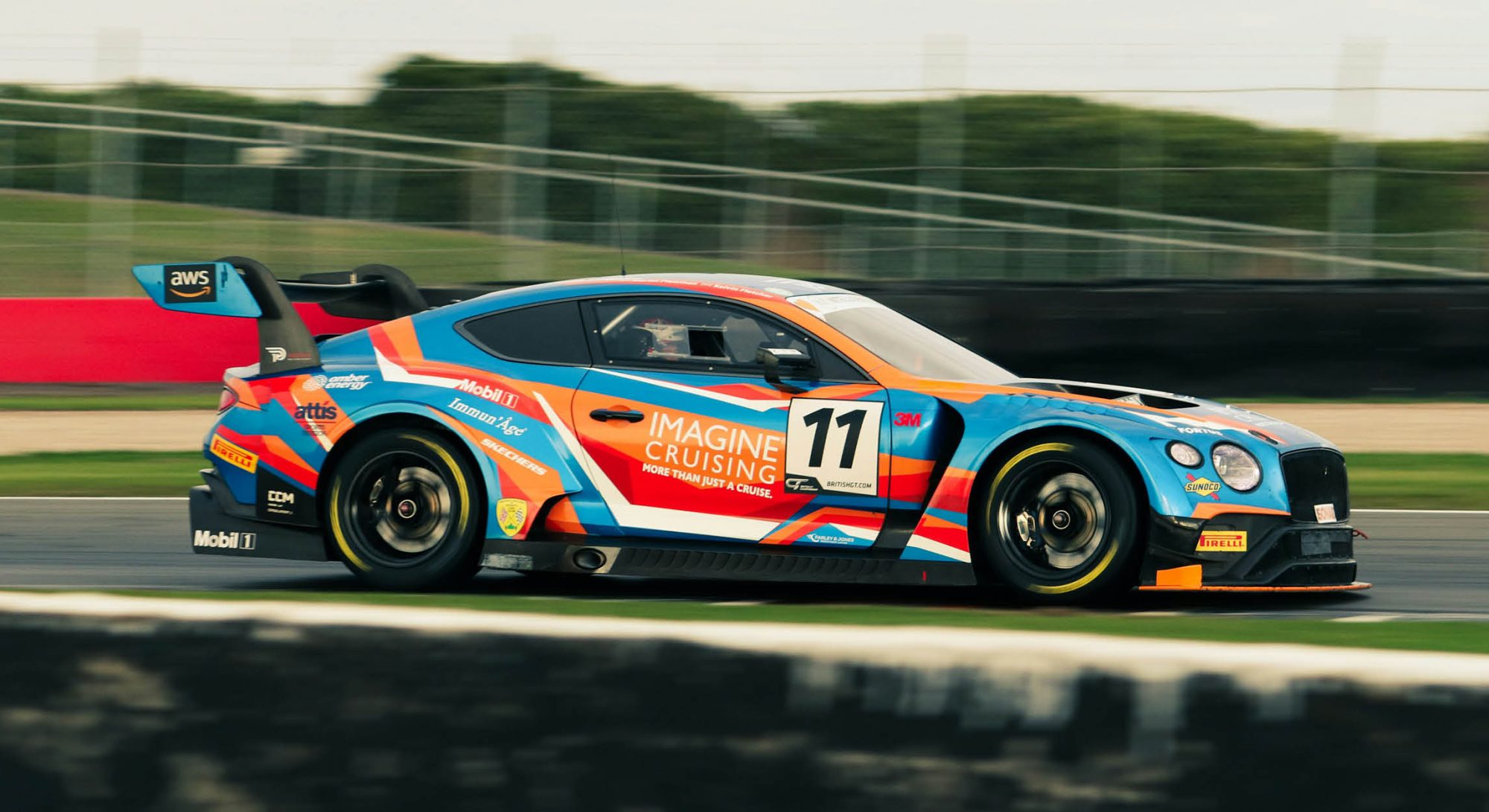
Braking demands in motorsport and high-performance vehicles
Few vehicle systems experience greater thermal and mechanical stress than the braking assembly. During aggressive track driving or endurance racing, brake discs must absorb and dissipate enormous amounts of energy in extremely short timeframes.
This creates several engineering challenges:
- Managing repeated temperature cycles without distortion or cracking
- Maintaining consistent friction behaviour and pedal feel
- Reducing unsprung and rotational mass
- Preventing thermal fatigue and uneven wear
- Preserving dimensional stability at very high rotational speeds
In motorsport environments, temperatures can fluctuate dramatically within a single lap. Components may transition from ambient temperature to several hundred degrees Celsius in seconds before rapidly cooling again. Over time, these cycles can compromise disc integrity if material selection and geometry are not optimised correctly.
Weight reduction is equally critical. Lower rotational mass improves acceleration, braking response and vehicle handling characteristics. This is one reason why carbon fibre brake discs and carbon-carbon systems have become increasingly common in elite motorsport categories and high-end performance vehicles.
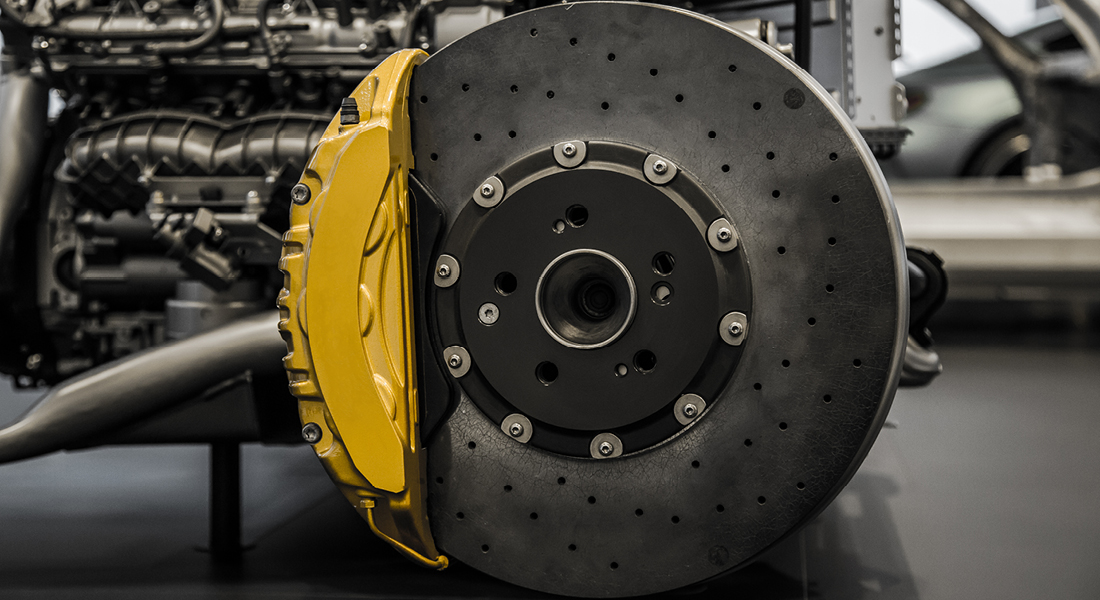
Comparing carbon-carbon systems with other high-performance racing brakes
Traditional cast iron brake discs are widely used due to their cost-effectiveness and predictable friction behaviour. However, they also carry disadvantages in weight, heat management and wear under extreme racing conditions.
Carbon-carbon brake discs offer several engineering advantages for specialist applications, which are listed below.
Reduced weight
Carbon-carbon systems are significantly lighter than iron alternatives. This reduction in unsprung and rotational mass contributes to improved suspension response, steering precision and overall vehicle dynamics.
High-temperature performance
Unlike metallic systems, carbon-carbon materials perform exceptionally well at elevated operating temperatures. Their thermal resistance allows them to maintain structural integrity and friction stability during repeated high-energy braking events.
Thermal shock resistance
Carbon materials tolerate rapid heating and cooling more effectively than many metallic alternatives, reducing the risk of thermal cracking and distortion.
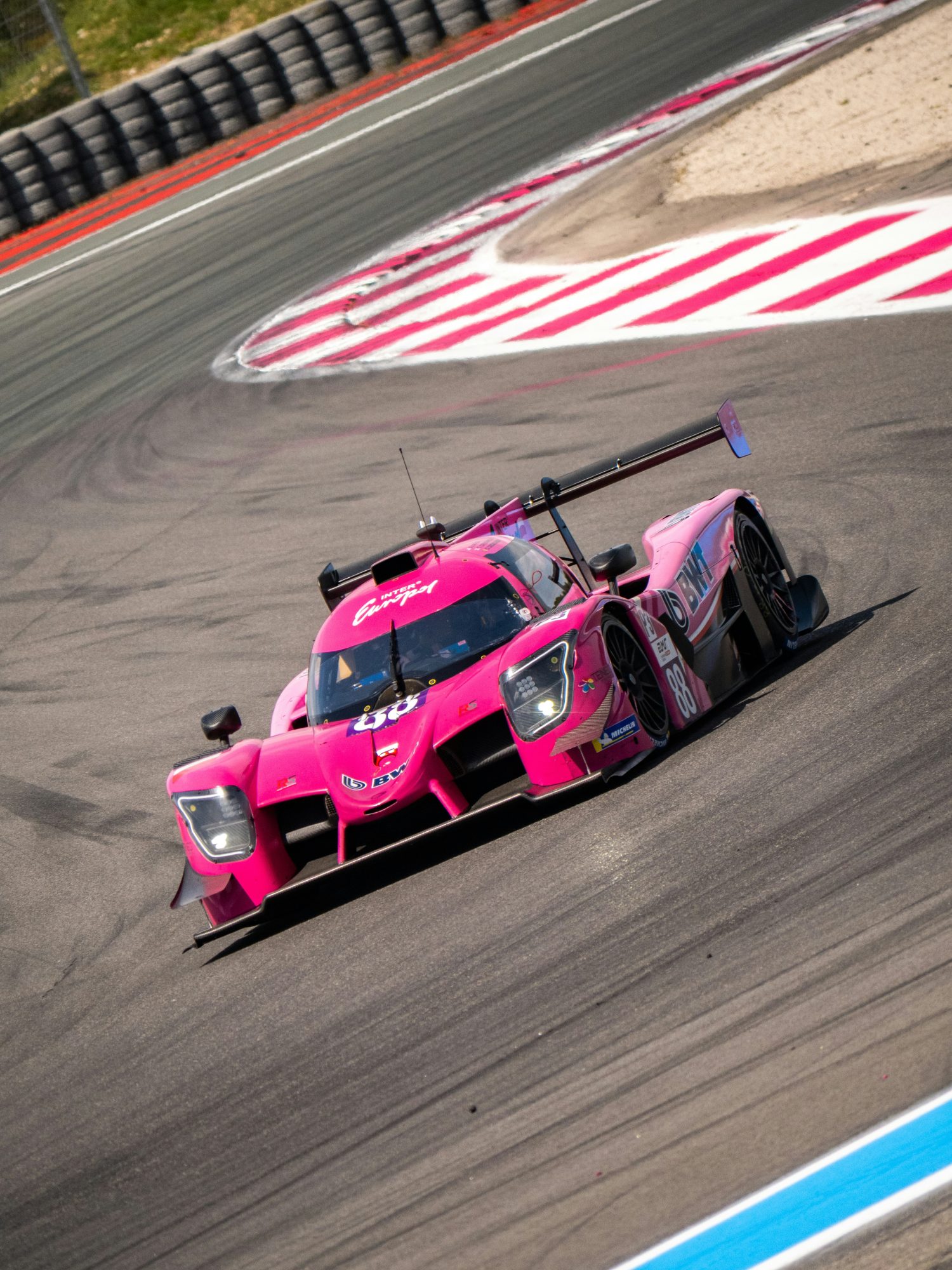
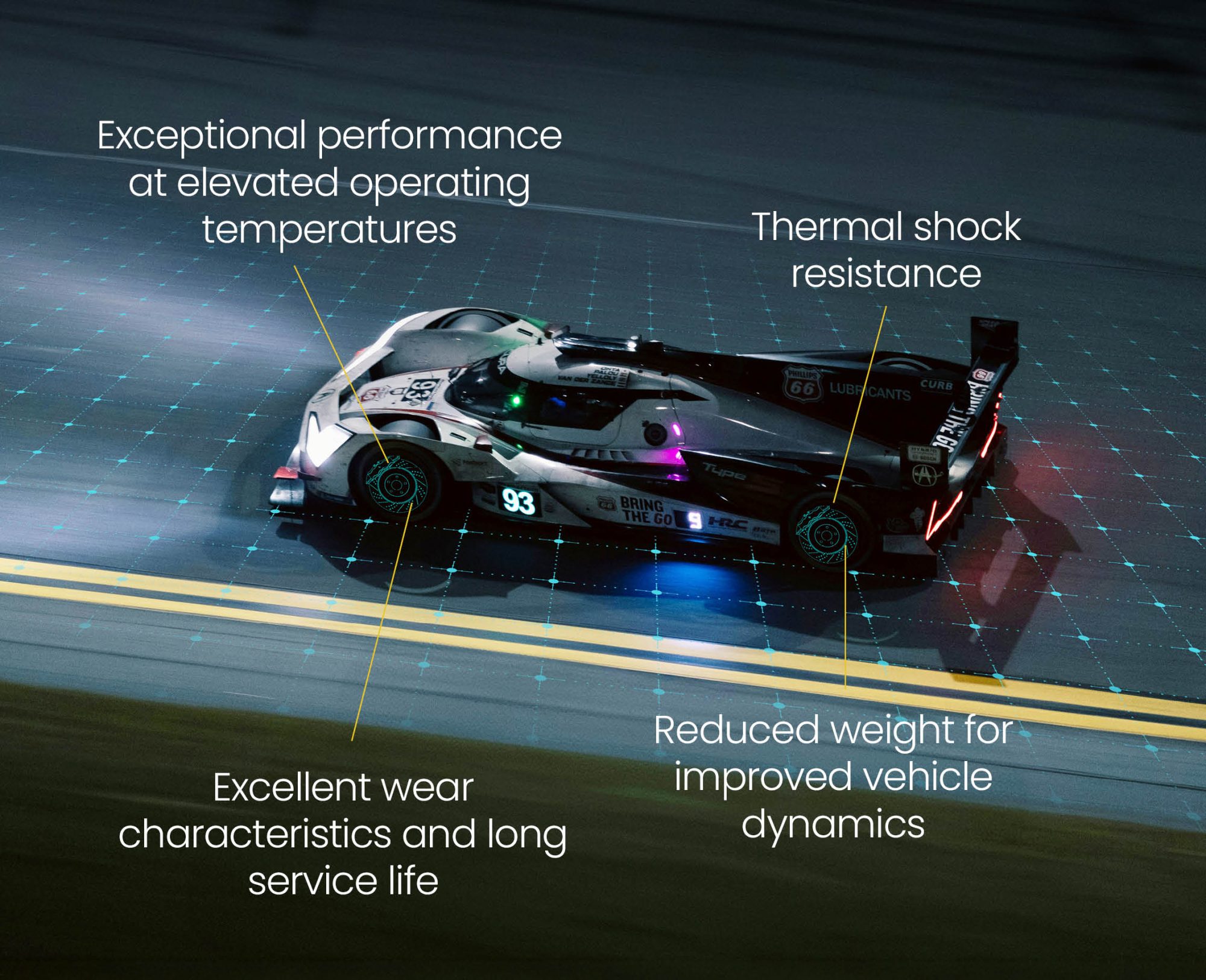
Longevity in controlled conditions
When operating within their intended temperature range, carbon fibre brake discs can deliver excellent wear characteristics and long service life.
However, these benefits come with trade-offs. Carbon-carbon systems generally require higher operating temperatures to achieve peak friction performance, making them less suitable for everyday road use. Manufacturing complexity and machining requirements are also significantly more demanding compared with conventional brake materials.
For motorsport engineering teams, the choice between carbon-carbon and alternative racing brakes depends heavily on vehicle type, race format, operating temperatures and performance priorities.
Slotted brake discs and ventilated geometry design considerations
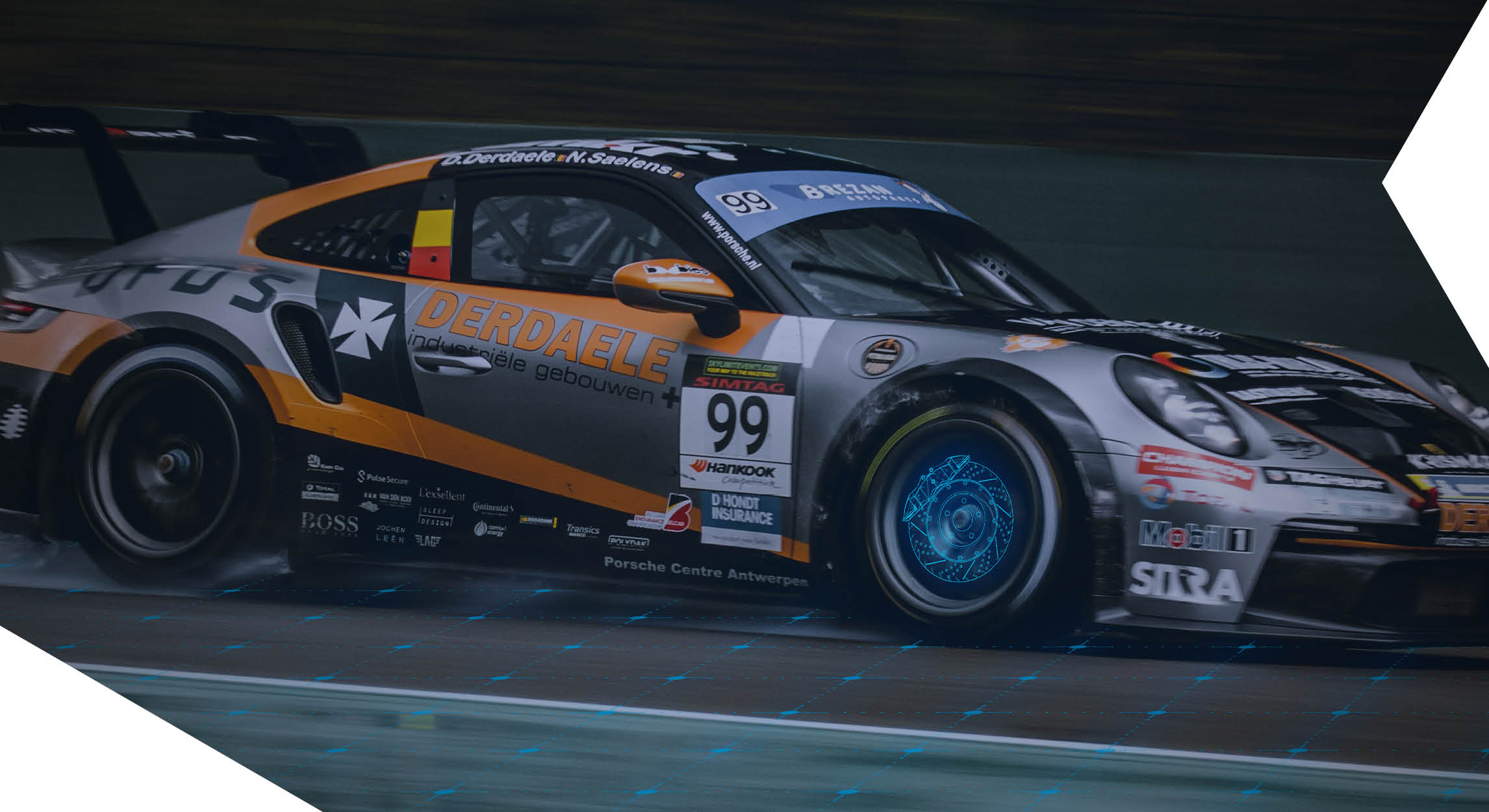
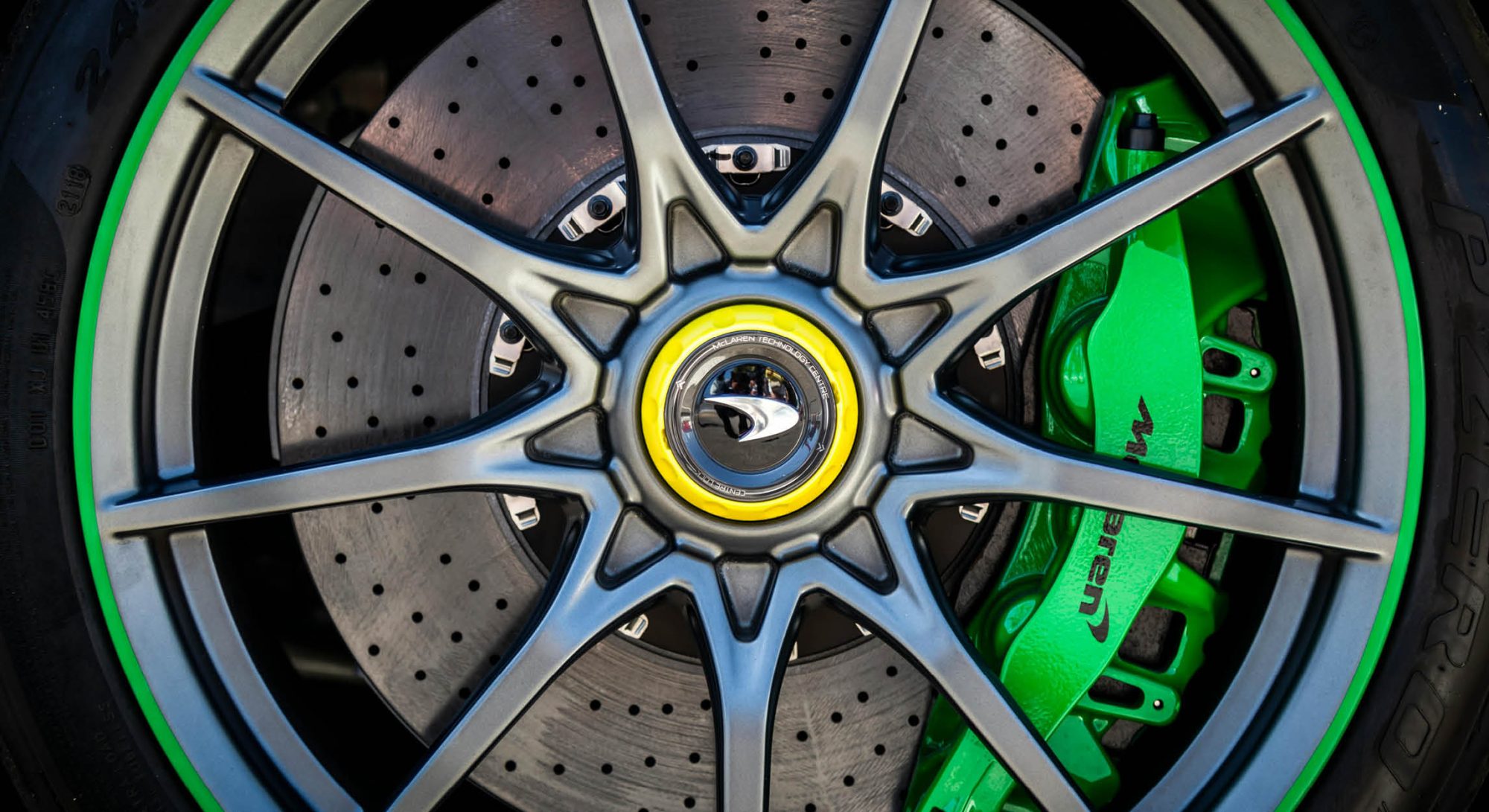
Brake disc geometry plays a vital role in thermal management, gas evacuation and wear behaviour. In performance applications, slotted brake discs and ventilated configurations are commonly used to improve braking consistency and cooling efficiency.
Gas evacuation and surface conditioning
Under heavy braking, friction materials can release gases and particulates that reduce contact efficiency between the pad and disc surface. Slot patterns help evacuate these gases while also refreshing the pad surface to maintain friction consistency.
The geometry of slotted brake discs must be carefully engineered to balance multiple factors:
- Slot depth and width
- Edge radii
- Pattern orientation
- Thermal stress distribution
- Structural stiffness
Excessively aggressive slot patterns may improve gas evacuation but can also accelerate pad wear and introduce stress concentrations within the disc structure.
Ventilation and cooling efficiency
Ventilated disc designs improve airflow through the brake assembly, increasing heat dissipation rates during repeated braking events. Internal vane geometry is particularly important in motorsport applications where thermal saturation can compromise braking performance.
Engineers must consider:
- Airflow direction
- Vane count and thickness
- Rotational pumping efficiency
- Material distribution
- Disc stiffness under thermal load
Reducing material mass may improve cooling and weight reduction, but excessive material removal can negatively affect rigidity and thermal capacity. Optimising this balance is essential for reliable racing brake performance.
Machining and tolerancing at high rotational speeds
At motorsport operating speeds, even small geometric inconsistencies can create vibration, imbalance and uneven wear. Precision machining and inspection processes are therefore essential throughout brake disc manufacture.
Critical considerations include:
Rotational balance
Brake discs operating at high RPM must maintain extremely tight balance tolerances. Minor mass inconsistencies can generate vibration and reduce braking stability during high-speed operation.
Flatness and parallelism
Maintaining accurate disc flatness and friction surface parallelism is critical for consistent pad contact and predictable pedal feel.
Thermal distortion management
Carbon brake discs must be machined with careful consideration of thermal expansion behaviour and operational deformation characteristics.
Surface finish optimisation
Machining strategies influence both friction performance and wear behaviour. Surface finishes must support stable pad interaction without introducing premature wear mechanisms.
For carbon-carbon components in particular, machining techniques require specialist expertise. Material anisotropy, brittleness and heat sensitivity all influence tooling strategies and process control.
As experienced custom brake disc manufacturers, Wyken Engineering applies advanced machining capabilities – such as ultrasonic drilling – and precision inspection processes to help customers achieve demanding performance requirements across complex brake geometries.

Supporting manufacturability through collaborative engineering
Performance brake disc development is rarely a linear process. Motorsport suppliers and brake system designers must continuously balance aerodynamic packaging, thermal performance, durability and manufacturing practicality.
At Wyken Engineering, collaboration is central to our approach. We work alongside customers to review component geometry, machining feasibility and tolerance requirements early in the development process.
This collaborative approach helps engineering teams:
- Improve manufacturability without compromising performance
- Reduce unnecessary machining complexity
- Optimise tolerances for function and cost-efficiency
- Support prototype and low-volume production requirements
- Maintain consistency across repeat production runs
Our expertise in machining Carbon Brake Discs allows us to support technically demanding projects where precision, repeatability and component integrity are critical.
Engineering brake discs for next-generation performance vehicles
As motorsport and high-performance vehicle platforms continue evolving, brake system demands will only increase. Electrification, higher vehicle weights, regenerative braking integration and advanced aerodynamic packages are already reshaping performance braking requirements.
For engineering teams developing next-generation racing brakes, successful brake disc design depends on more than material selection alone. Geometry optimisation, machining precision and close supplier collaboration all play a crucial role in achieving reliable track performance.
If you are developing slotted brake discs for endurance racing or lightweight carbon fibre brake discs for specialist performance platforms, early engineering engagement can significantly improve both manufacturability and operational outcomes.
Discuss your performance brake disc geometry with our engineering team
If you are developing high-performance or motorsport braking systems, get in touch with our engineering team to discuss your brake disc geometry, machining requirements and manufacturing challenges.
To see more guides like this, and to keep up with the latest news from Wyken Engineering, please follow us on LinkedIn.