

Designing carbon brake discs for aerospace platforms
Aircraft braking is one of the most demanding areas of aerospace engineering. When supporting commercial jets and specialist defence platforms, brake systems must deliver consistent performance under extreme energy loads, elevated temperatures and strict regulatory oversight.
For engineers specifying an aircraft brake disc or evaluating aircraft carbon brakes, design decisions made early in the process have a direct impact on safety, life cycle cost and operational reliability.
Performance and regulatory requirements
Aerospace brakes are required to absorb and dissipate significant kinetic energy during rejected take-off events and landing cycles. This places intense thermal stress on aerospace disc brakes, with temperatures often exceeding 1,000°C at the friction interface. Materials must maintain structural integrity and stable friction characteristics across repeated cycles.
Redundancy is another key requirement. Multi-disc brake stacks are designed to ensure continued performance even in the event of partial system degradation. Certification standards demand rigorous validation, with compliance to aerospace quality frameworks and airworthiness authorities forming a non-negotiable part of the design process.

Designing carbon-carbon brake discs
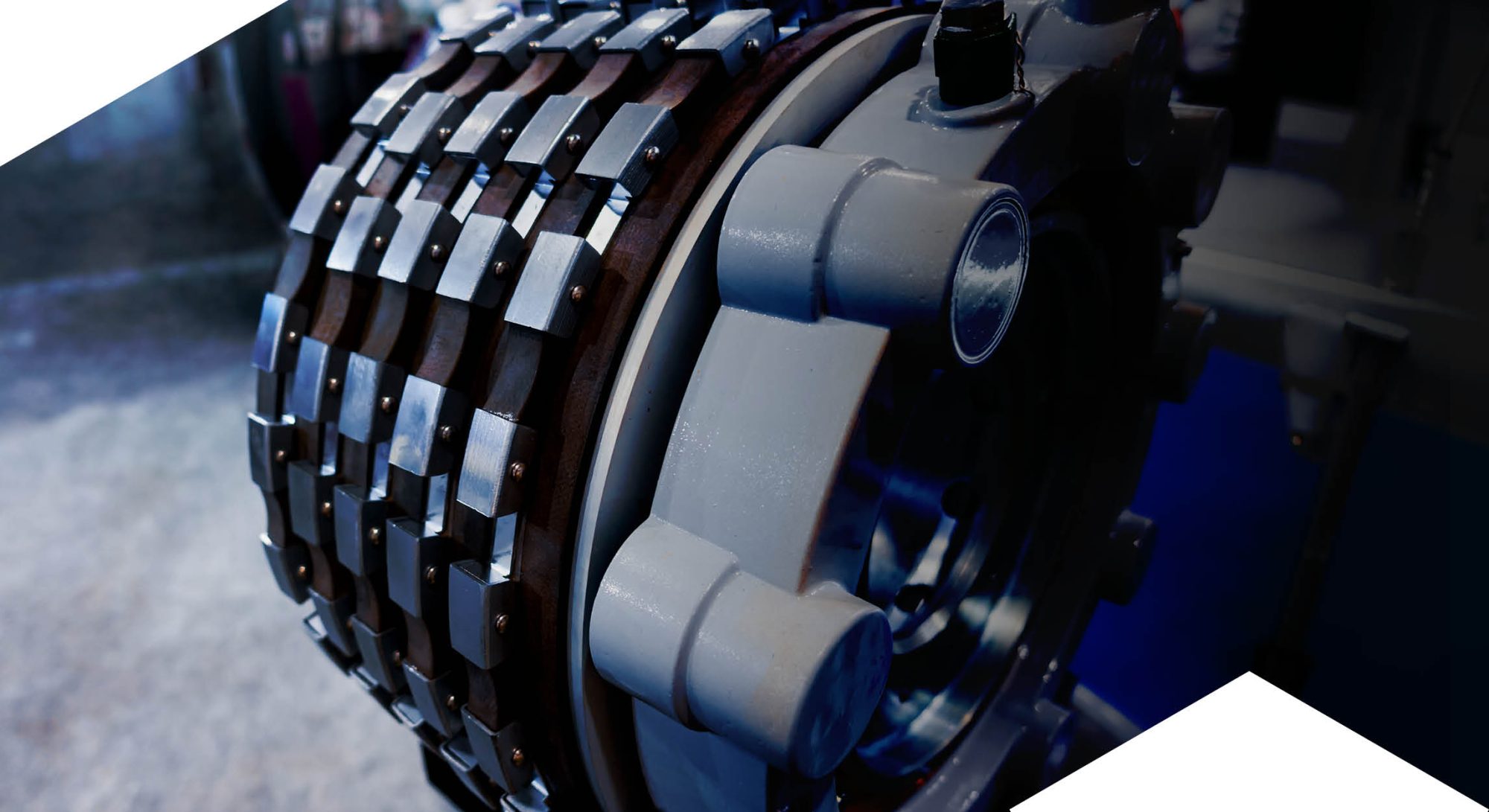
Carbon-carbon composites are widely used in aircraft carbon brakes due to their high temperature resistance, low weight and predictable wear characteristics. However, these benefits rely on careful engineering of the disc itself.
Wear indicators are also an important feature, allowing operators to monitor disc condition and schedule maintenance effectively. These can be integrated into the disc design to provide clear, reliable visual or measurable cues.
Stack configuration plays a central role in performance. The number of rotors and stators, along with their thickness and interface design, must be tailored to the aircraft’s energy requirements. Mounting features must ensure precise alignment and load distribution, avoiding stress concentrations that could lead to premature failure.
Machining and advanced manufacturing capabilities
The complexity of modern aerospace brakes demands equally advanced manufacturing techniques. Precision machining ensures tight tolerances across all friction surfaces and mounting interfaces, which is essential for consistent braking performance.
The outcome is an aircraft brake disc that performs reliably across a wide operating envelope, with improved thermal management and predictable wear behaviour.
Qualification, traceability and documentation
Beyond design and manufacture, aerospace programmes require comprehensive qualification and documentation. First Article Inspection (FAI) is used to verify that components meet all specified requirements before full production begins.
Traceability is equally important. Every aircraft carbon brake component must be fully traceable back to its raw materials and manufacturing processes. This supports ongoing airworthiness and simplifies maintenance and replacement cycles.
Operating within an AS9100-certified environment ensures that quality management processes are aligned with aerospace expectations. For procurement teams, this provides confidence that aerospace disc brakes will meet both performance and compliance requirements throughout their service life.
Supporting aerospace brake innovation
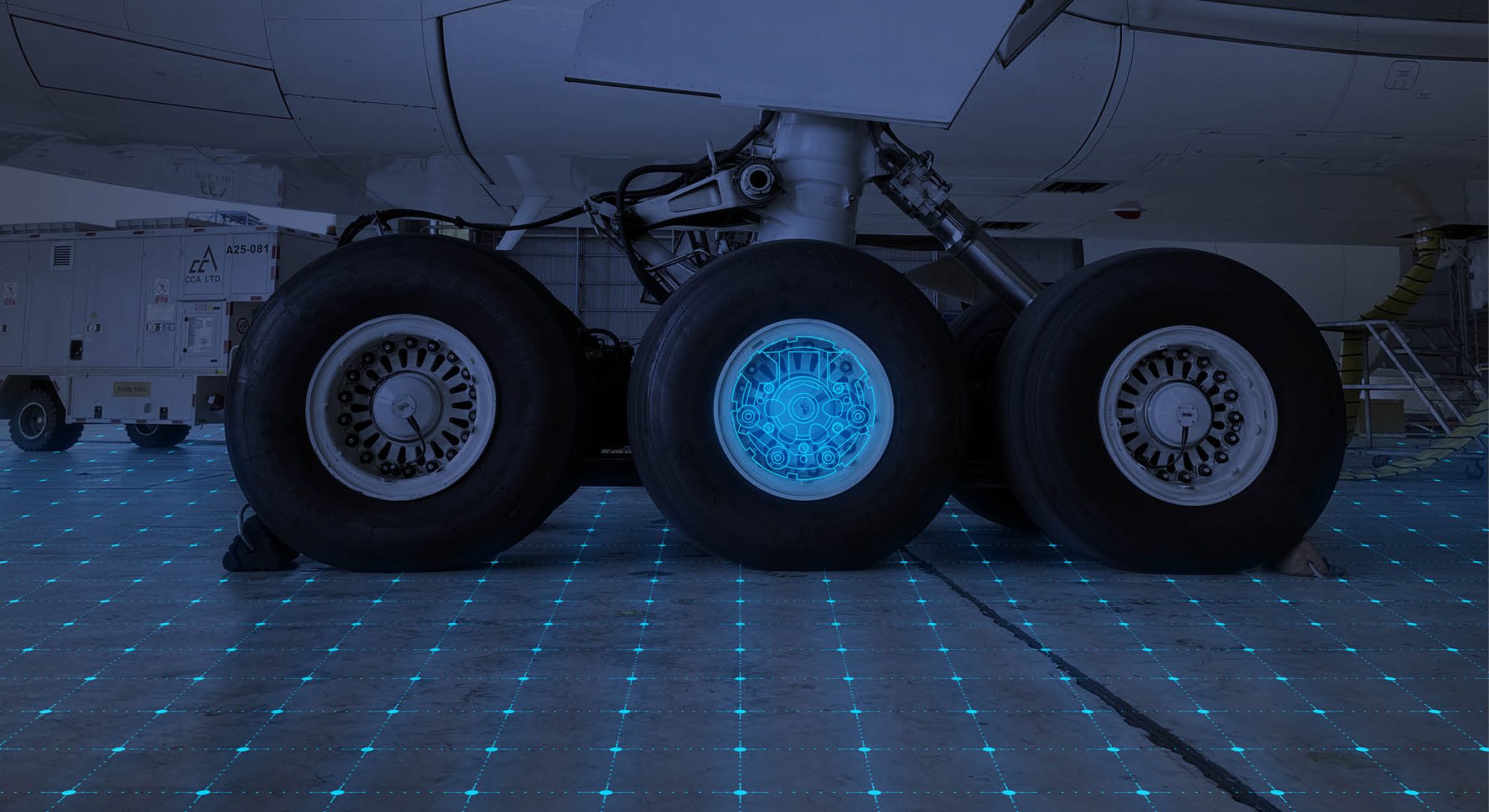
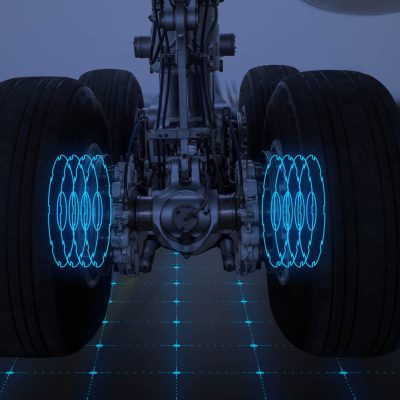
Designing aerospace brakes is a balance between performance, durability and compliance. Carbon brake discs offer clear advantages, but only when supported by precise engineering and advanced manufacturing expertise.
Wyken Engineering works closely with aerospace customers to develop high-performance aircraft brake disc solutions that meet demanding operational and regulatory requirements. As an AS9100-certified partner for aerospace component manufacturing, we support many different forms of aviation, including military aircraft, business jets and aerospace research.
By combining machining expertise with a deep understanding of aerospace applications, the result is components that deliver reliability where it matters most.
Use the button below to get in touch with our aerospace team and review your brake disc design.
To see more stories like this, and to keep up with the latest news from Wyken Engineering, please follow us on LinkedIn.